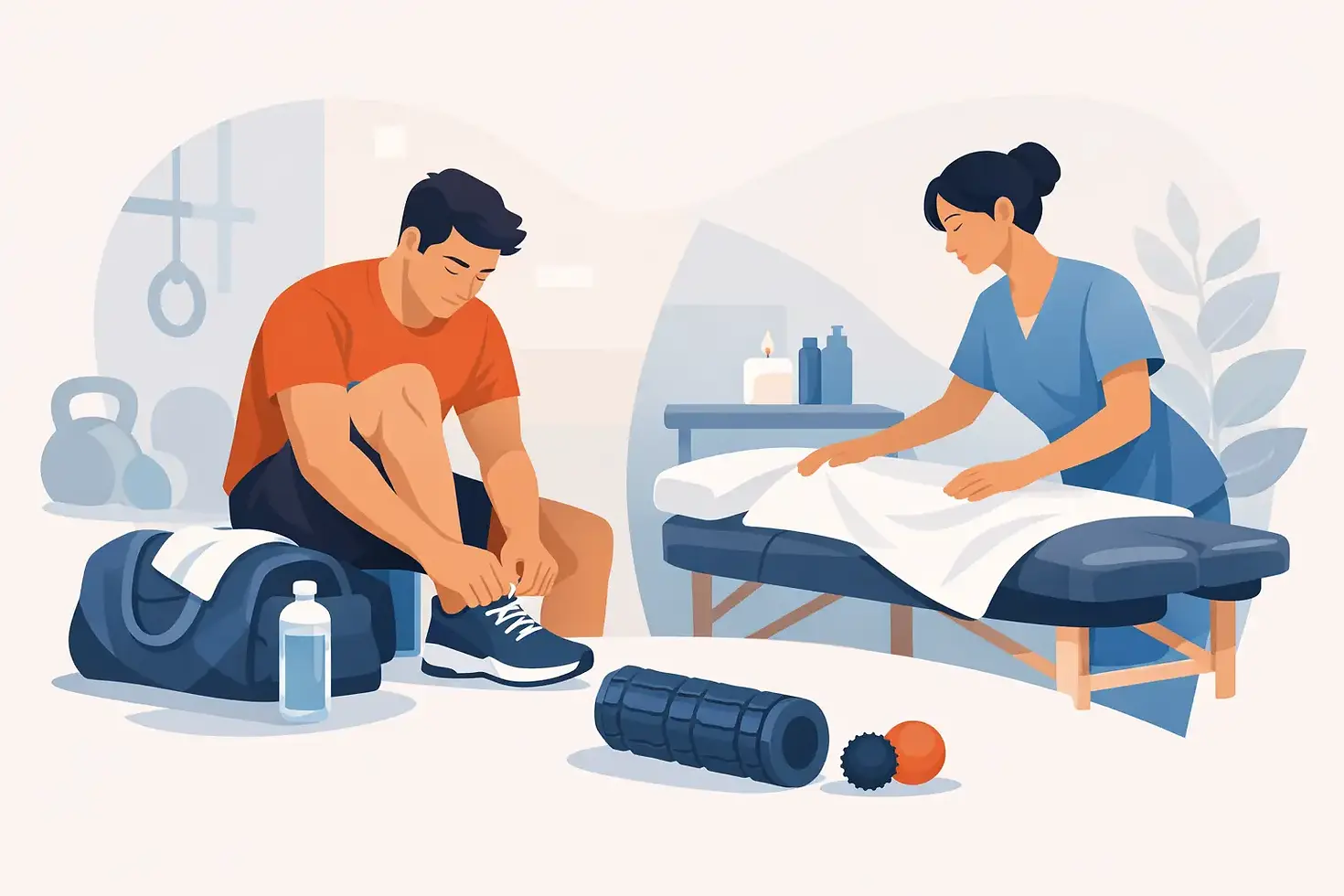
How to Prepare for Sports Massage for Better Recovery
A sports massage should feel like focused support for the way your body moves, trains, works, and recovers. Knowing how to prepare for sports massage helps your therapist work more effectively while helping you feel comfortable, informed, and ready for the treatment. The goal is not to arrive perfectly loose or pain-free. It is to arrive with a clear sense of what your body needs.
Whether you are recovering from a demanding workout, managing recurring tightness, or preparing for an event, a little preparation can make the session more useful. It also gives you the best chance to leave feeling restored rather than rushed.
Choose the right timing for your sports massage
Timing matters because sports massage can be adapted to your training schedule. A lighter, circulation-focused session may suit the days leading up to an event. It can help you feel mobile and connected to your body without adding unnecessary intensity. A deeper recovery session is often better after strenuous activity, when the aim is to address fatigue, muscular tension, and restricted movement.
Avoid booking an intensive treatment immediately before a race, competition, or unfamiliar physical challenge if you know your body tends to feel tender afterward. Deep work can occasionally leave an area temporarily sensitive, especially if it has been overloaded or has not received bodywork recently. If your event is important, allow several days beforehand and let your therapist know what you are preparing for.
For ongoing training, consistency is usually more helpful than waiting until discomfort becomes severe. The ideal frequency depends on your activity level, recovery habits, stress, and the type of tension you are experiencing. A personalized approach is more useful than following a fixed schedule.
The day before: support recovery, do not overcorrect
Drink water regularly the day before your appointment and on the day itself. Hydration supports normal circulation and can help you feel better during and after a hands-on treatment. There is no need to force large amounts of water at once. Simply aim for your usual good hydration habits.
Eat normally and get as much sleep as your schedule allows. A well-rested body often responds more comfortably to massage than one that is exhausted, underfed, or dehydrated. If you have trained hard, give yourself a recovery-focused evening rather than adding an extra intense stretching session just because you have a massage booked.
You do not need to foam roll every tight area before you come in. In some cases, aggressive self-massage combined with deep tissue work can make sore muscles feel overly irritated. Gentle movement, an easy walk, or light mobility work is usually enough. Save the detailed assessment and targeted work for the appointment.
It is also wise to limit alcohol before a sports massage. Alcohol can contribute to dehydration and may make it harder to judge how your body is responding. If you are feeling unwell, feverish, or unusually fatigued, contact your practitioner before the session to discuss whether rescheduling is the better choice.
What to wear and what to bring
Wear comfortable clothes that are easy to change out of and back into. Athletic shorts, loose pants, a T-shirt, or simple workout clothing are practical choices. Depending on the areas being treated, you may be asked to undress to your comfort level while professional draping is used throughout the session.
If you have a specific activity-related concern, bring useful details rather than extra equipment. For example, knowing the date of your event, the distance you run, the type of training you do, or when pain began can help shape the treatment. You may also want to make a brief note on your phone of the areas that feel restricted, the movements that aggravate them, and what has helped in the past.
Arrive with clean skin and avoid applying strong oils, heavy body lotion, or topical muscle creams immediately beforehand. These products can make it harder to work comfortably with massage oil and may irritate sensitive skin. At A.K. Yoga & Massage, premium certified Demeter oils enhanced with magnesium and royal jelly are selected to support a nourishing, high-quality treatment experience.
Arrive early enough to settle your body
Try to arrive five to 10 minutes early, especially for your first appointment. That small margin gives you time to use the restroom, silence your phone, and move out of a busy workday or commute. Sports massage is more effective when you are not mentally racing into the room.
Avoid arriving directly from an all-out workout if possible. Give yourself time to cool down, shower if needed, and let your heart rate return closer to normal. If your schedule only allows a same-day session after training, that is still workable. Just tell your therapist exactly what you did, how hard you trained, and how your body feels at that moment.
A massage table can be adjusted for your height, comfort, and the areas being treated. If you have trouble lying face down, experience shoulder discomfort in certain positions, or are pregnant, mention it before treatment begins. Small adjustments can make a major difference to how relaxed and supported you feel.
Be clear about your goals and your health history
The best preparation for sports massage is honest communication. At the start of the session, explain whether you want recovery from a recent workout, help with a particular tight area, preparation for activity, or general maintenance. Your therapist can then tailor the pressure, pace, and treatment focus accordingly.
Describe sensations precisely when you can. There is a difference between dull post-workout soreness, a familiar knot in the upper back, a sharp pain during a specific movement, numbness, and a sudden new injury. You do not need medical vocabulary. A clear description of what you feel and when you feel it is enough.
Share relevant health information, including recent injuries, surgeries, blood clotting concerns, varicose veins, skin conditions, allergies, medications, pregnancy, or any advice you have received from a doctor or physical therapist. Sports massage is not a substitute for medical diagnosis. If you have sudden swelling, severe pain, loss of strength, numbness, chest pain, or an unexplained injury, seek appropriate medical guidance before booking bodywork.
During the massage, stay involved
Sports massage does not need to be painful to be productive. Some focused pressure can feel intense, particularly in overworked areas, but you should still be able to breathe normally and relax into the work. If you are holding your breath, tensing against the table, or feeling sharp pain, ask for an adjustment.
Let your therapist know if the pressure is too light, too strong, or simply not right for that day. Your body can respond differently depending on sleep, stress, training load, and hydration. A good treatment is responsive, not forceful.
You may be asked to move a limb, take a deeper breath, or notice how a muscle feels before and after a technique. These moments help connect the massage to your movement patterns. They also make the session more individualized than a routine full-body treatment.
Plan a calmer hour after your appointment
After your massage, stand up slowly and give yourself a moment to notice how you feel. You may feel lighter, looser, sleepy, energized, or aware of areas that were previously masked by tension. All of these responses can be normal.
Continue drinking water, eat a balanced meal when appropriate, and choose gentle movement for the rest of the day. An easy walk, relaxed mobility work, or a quiet evening can help you absorb the benefits of the session. Unless your therapist advises otherwise, avoid very intense training immediately after deep work on already fatigued muscles.
Some mild tenderness can occur, especially after a first session or focused work on chronically tight tissue. This should be manageable and temporary, not severe. Pay attention to how you feel over the next 24 to 48 hours, and use that information at your next session. It helps refine the pressure, techniques, and timing that suit your body best.
Come prepared, but do not put pressure on yourself to do everything perfectly. The most valuable thing you can bring to a sports massage is an honest picture of your body, your activity, and the recovery you need right now.