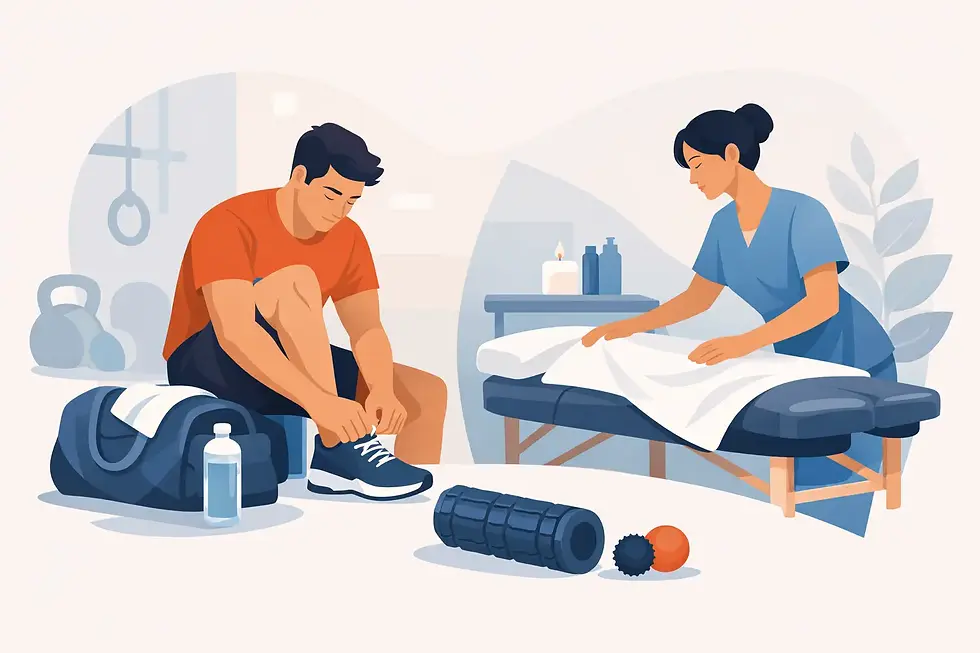
Best Massage for Office Tension at Work

By 3 p.m., office tension usually tells on itself. Your shoulders creep up, your jaw tightens, your lower back starts negotiating, and even a simple email can feel heavier than it should. If you are wondering about the best massage for office tension, the answer is not one universal style. It depends on where you hold stress, how long it has been building, and whether you need relief, recovery, or both.
What office tension actually does to the body
Desk work creates a very specific pattern. Hours of sitting, typing, scrolling, and looking at a screen tend to overload the neck, upper shoulders, chest, forearms, and lower back. At the same time, the muscles that support better posture often become underused. That imbalance is why tension from office work rarely stays in one place.
Many people describe it as a stiff neck, but the issue is often broader. Tightness through the upper trapezius, shoulder blades, scalp, jaw, and even hips can all be part of the same picture. Stress also changes breathing. When your breath stays shallow, the body remains slightly braced, and muscles never fully let go.
That is why the best treatment is usually one that addresses both muscular strain and nervous system load. A massage can help reduce pain and improve movement, but the right pressure and technique matter.
Best massage for office tension: which style fits best?
The best massage for office tension is often Swedish massage or a focused therapeutic session for the neck, shoulders, and back. For some people, deep tissue massage is the better choice, especially when tension has become chronic and movement feels limited. The key is matching the method to the body in front of the therapist, not forcing every client into the same routine.
Swedish massage for general stress and stiffness
If your body feels tired, compressed, and generally overworked, Swedish massage is often the most effective place to start. It uses smooth, flowing techniques with moderate pressure to improve circulation, soften tight muscles, and calm the nervous system.
This style works well for office professionals who are stressed, mentally overloaded, or carrying mild to moderate tension across several areas at once. It is especially useful if you want relief without the intensity of very deep pressure. A good Swedish session can make your shoulders drop, your breathing deepen, and your range of motion feel easier by the time you stand up.
Deep tissue massage for stubborn knots and limited mobility
Deep tissue massage is better suited to tension that feels stuck. If your upper back feels dense, your neck rotation is restricted, or you have recurring knots between the shoulder blades, deeper work may help release adhesions and chronic holding patterns.
That said, deeper is not always better. Some office workers assume strong pressure is the only way to get results, but if the body is already stressed, very aggressive work can make you tighten more. Deep tissue is most effective when it is precise, gradual, and responsive to your comfort level. You should feel worked on, not overpowered.
Neck and shoulder massage for targeted office strain
For many desk-based clients, a focused neck and shoulder massage is the most practical choice. This is ideal when the main complaint is upper body tension rather than full-body fatigue. It can address the areas most affected by laptop posture, phone use, and stress-related clenching.
A targeted treatment often includes the neck, upper traps, shoulder joints, upper back, and sometimes the scalp and jaw. This kind of session is helpful if you have headaches that begin in the neck, stiffness after meetings, or discomfort that returns at the end of each workday.
Head, face, and jaw massage for stress that sits high
Not all office tension shows up in the back. Some people hold stress in the temples, forehead, jaw, and around the eyes. If you grind your teeth, clench during concentration, or end the day with a pressure headache, head and face massage can make a noticeable difference.
This option is often underestimated. Releasing the jaw and scalp can calm the whole system, especially when stress is more mental than physical. It pairs well with neck and shoulder work for clients who spend long hours on screens.
How to choose the right massage for your body
The fastest way to choose is to look at your main pattern, not just your pain level. If you feel globally tense and mentally drained, Swedish massage is usually the better fit. If one or two areas feel dense, restricted, and persistently tight, a deeper therapeutic approach may be more useful.
If your discomfort is concentrated in the upper body, book a focused treatment rather than a general relaxation session. If stress is affecting your sleep, breathing, or jaw tension, choose a massage that includes the head, neck, and shoulders. The most effective treatment is the one that reflects how your body is compensating right now.
A personalized intake matters here. Two people can both say, "I have office tension," while needing completely different work. One may need slower pressure and nervous system support. The other may need more direct release through the upper back and shoulder girdle.
Why personalization matters more than the massage name
Massage names are useful, but they only tell part of the story. What actually determines results is how the treatment is adapted. Pressure, pacing, positioning, and focus areas all matter. So does the quality of the table setup and whether the session supports your breathing and comfort.
A personalized treatment can combine relaxing and therapeutic elements in the same session. That is often the best approach for office workers, because the body is rarely dealing with one problem only. You may have postural fatigue in the back, stress in the jaw, and poor circulation from sitting too long. A rigid, one-style-only approach can miss the full pattern.
At a practitioner-led wellness practice such as A.K. Yoga & Massage, that individualized approach is what makes the work more effective. Adjustments in equipment, session structure, and treatment focus allow the massage to meet the person, not just the service menu.
When massage works best for office tension
Massage is most helpful when you do not wait until the body is shouting. If you catch tension while it is still moderate, treatments tend to be more comfortable and results last longer. Waiting until your neck locks up or your shoulders burn every evening usually means more than one session may be needed.
For some clients, a single massage is enough to reset after a demanding week. For others, especially those with daily desk strain, regular sessions create better results than occasional rescue appointments. That does not always mean frequent long appointments. Sometimes a shorter, focused session every few weeks is more realistic and more effective.
There is also a trade-off between immediate relief and longer-term change. Massage can reduce tension quickly, but if your work posture, stress cycle, and breathing habits stay the same, the pattern often returns. That is where simple movement, stretching, or one-to-one yoga support can make massage results hold better between sessions.
What to expect after a good office tension massage
After the right session, most people notice more space in the neck and shoulders, easier breathing, and less mental noise. You may feel lighter, warmer, or a little tired in a good way. If deeper work was used, mild soreness can happen, but it should feel manageable and short-lived rather than alarming.
Hydration, gentle movement, and a quieter evening help the body integrate the work. It is also useful to pay attention to what changed. Did your headache ease? Could you turn your head more freely? Did your jaw soften? These details help guide your next session and make treatment more precise over time.
Best massage for office tension if you sit all day
If you sit all day, the best massage for office tension is usually one that blends shoulder and neck treatment with back work and calming pressure. That combination addresses the most common desk-related problem: a body that is both overworked and under-moved.
If you are new to massage, start with a session that is therapeutic but not overly intense. If you already know you respond well to deeper pressure, choose a more focused deep tissue treatment for stubborn areas. If stress is the bigger issue than pain, go with a relaxing full-body approach that still gives extra attention to the upper body.
The right massage should leave you feeling cared for, not just corrected. Office tension is physical, but it is also cumulative. The best treatment respects both. When massage is tailored to your posture, stress level, and recovery needs, it does more than loosen muscles. It gives your body a clear signal that it can stop bracing and start letting go.