How to Reduce Stress Naturally Every Day

Stress usually shows up before you call it stress. Your jaw tightens during emails. Your shoulders stay lifted long after work ends. Sleep gets lighter, patience gets shorter, and even small tasks feel louder than they should. If you are looking for how to reduce stress naturally, it helps to start there - not with a perfect routine, but with the signs your body is already giving you.
Natural stress relief is not about doing one calming thing once in a while. It works better as a steady practice of lowering the load on your nervous system. That can mean better breathing, more consistent movement, fewer stimulants, hands-on bodywork, and small daily choices that make your body feel safer and less guarded.
How to reduce stress naturally by working with your body
Stress is both mental and physical. People often try to think their way out of it, but the body may still be braced. That is why natural methods can be so effective. They do not only distract you from stress. They help shift the body out of constant alert.
When stress builds over time, muscles become protective. The neck stiffens, the chest gets tight, and breathing becomes shallow. This can create a loop where physical tension reinforces mental tension. Breaking that loop often starts with simple, repeated signals of safety - slower breathing, grounded movement, quality rest, and therapeutic touch.
For many adults with busy schedules, the goal is not to remove all stress. That is not realistic. The more useful goal is to recover faster, carry less tension, and keep stress from becoming your baseline.
Start with your breath, but keep it simple
Breathing practices can help, but they need to feel doable. If a technique is too complicated, you will not use it when you actually need it. A simple approach is to exhale longer than you inhale. Try breathing in through your nose for a count of four and out for a count of six. Repeat for two to five minutes.
This works because a longer exhale helps signal downregulation. In plain terms, it tells the nervous system that it can soften a little. You do not need to force deep breaths. In fact, forcing the breath can make some people feel more tense. Gentle, steady breathing is usually better.
If you notice stress most during work, use this between meetings, after commuting, or before bed. Short practice done consistently matters more than one long session you rarely repeat.
Use movement to discharge tension, not create more pressure
Exercise can absolutely support stress relief, but the right kind depends on your current state. If your body already feels overstimulated and exhausted, intense training may not always help in that moment. Sometimes it does. Sometimes it adds another demand.
Walking, yoga, mobility work, and gentle stretching are often easier ways to reduce stress naturally because they release physical tension without asking the body to push harder. A short walk without your phone can settle racing thoughts. A few rounds of slow spinal movement and hip opening can reduce the feeling of being compressed by the day.
More vigorous exercise still has value, especially for people who regulate well through running, cycling, or strength training. It depends on your energy, recovery, and stress level. The main question is simple: after the activity, do you feel clearer and calmer, or more depleted?
Daily habits that quietly increase stress
Many people focus on adding calming tools while ignoring what keeps stress high. This is where natural stress relief gets more practical. You may not need a major lifestyle overhaul. You may need fewer things that keep your system activated.
Caffeine is one example. It is not automatically a problem, but if you are already anxious, underslept, and physically tense, more coffee can amplify the cycle. The same goes for constant notifications, irregular meals, and staying in work mode until the minute you try to sleep.
Blood sugar swings can also affect mood and stress tolerance. Skipping meals often leads to irritability, shakiness, or that wired and tired feeling many people mistake for pure mental stress. Balanced meals with protein, fiber, and enough hydration can make a real difference in how stable you feel through the day.
Sleep deserves special attention here. Poor sleep does not just make stress feel worse - it lowers your ability to regulate it. Natural support for sleep might include dimmer light in the evening, less screen exposure before bed, a consistent bedtime, and a cooler, quieter room. None of these are dramatic, but together they help.
The role of touch in natural stress relief
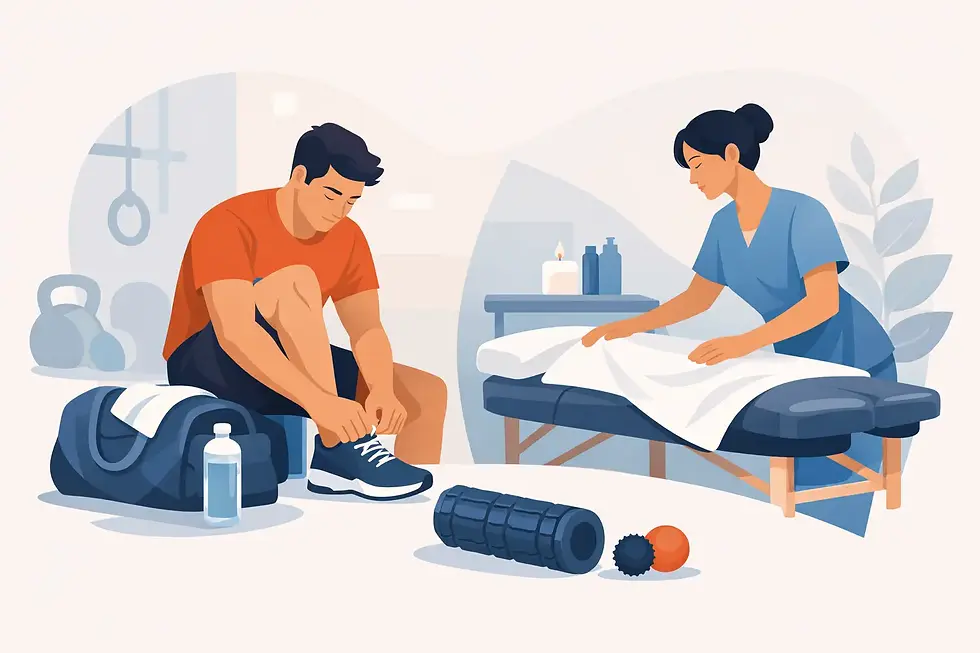
One of the fastest ways to feel how much stress you have been carrying is to receive skilled bodywork. Therapeutic massage can help reduce muscular guarding, improve circulation, and give the nervous system a direct experience of letting go. For people who hold stress in the shoulders, neck, scalp, jaw, or lower back, this can feel less like a luxury and more like necessary maintenance.
This is especially true when stress has become physical. You may meditate and still wake up clenching. You may stretch and still feel stuck. In those cases, hands-on treatment can help release patterns that are hard to shift alone.
The most effective sessions are usually personalized. Some clients need deeply relaxing work and a calm pace. Others need focused treatment around posture-related tension, overworked muscles, or recovery from training. Stress is not identical from person to person, so the care should not be generic either.
At A.K. Yoga & Massage, this individualized approach matters because stress relief is rarely only about relaxation. It is often about helping the body recover function, softness, and ease at the same time.
Meditation helps, but only if it suits you
Meditation is useful, but it is not one-size-fits-all. For some people, sitting still in silence feels grounding. For others, especially when stress is high, it can feel uncomfortable or frustrating.
If traditional meditation does not work well for you, try guided meditation, body scan practices, or simply lying down and noticing points of contact with the floor. The aim is not to clear your mind completely. It is to interrupt the momentum of constant mental activity and bring your attention back into the present.
Even five minutes can help. Done regularly, these short resets teach the body and mind that pause is possible.
How to reduce stress naturally when you are short on time
A lot of stress advice sounds good until real life gets in the way. If your schedule is full, the best approach is to build stress relief into things you already do.
Breathe more slowly while waiting for the train. Unclench your jaw at red lights. Take a ten-minute walk after lunch instead of scrolling. Stretch your chest and shoulders after computer work. Put your phone down thirty minutes before sleep. Book bodywork or private yoga regularly enough that your body does not have to start from zero every time.
The key is repetition. Small inputs, repeated often, calm the system more reliably than occasional big efforts.
When natural stress relief needs more support
Natural methods can be powerful, but they are not a substitute for every kind of care. If stress is leading to panic attacks, severe insomnia, depression, burnout, or ongoing physical symptoms, extra support may be needed. That can include speaking with a physician or mental health professional.
There is no conflict between natural care and clinical care. For many people, the best results come from combining them thoughtfully. Breathwork, yoga, massage, movement, and better recovery habits can support the process, but they should not carry the full burden when something deeper is going on.
What matters most is paying attention early. Stress becomes harder to shift when it has been ignored for too long. A tight neck, restless sleep, shallow breathing, and constant fatigue are not small details. They are useful signals.
Natural stress relief tends to work best when it is personal, consistent, and grounded in the body you actually have - not the routine you think you should have. Start with one or two practices you can keep, let them become familiar, and give your system a real chance to soften.