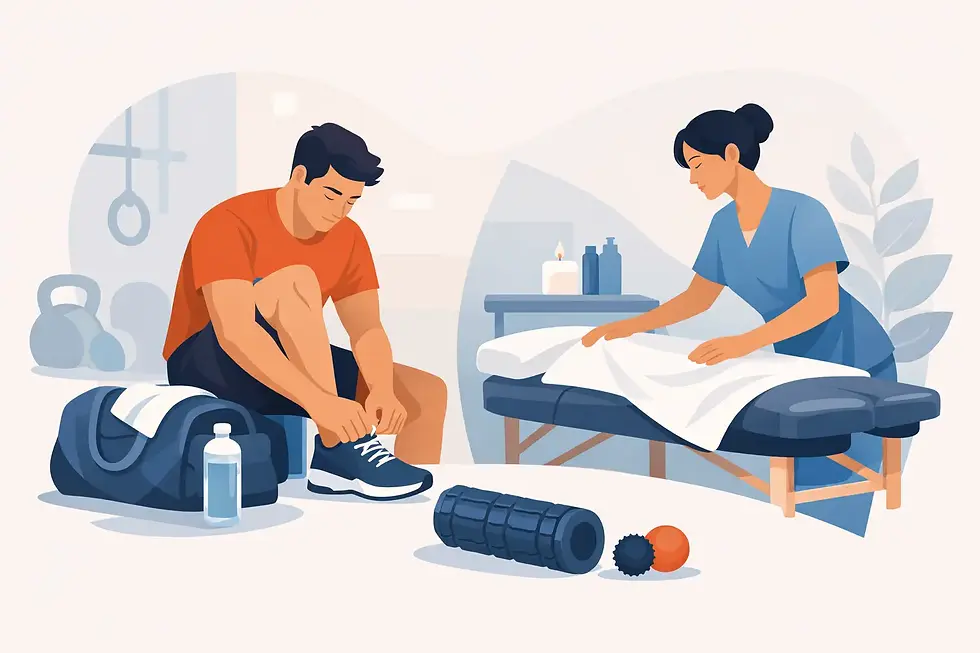
What Is Therapeutic Massage, Exactly?

That tight band across your shoulders, the jaw tension that shows up by afternoon, the lower back stiffness after sitting too long - these are often the reasons people start asking, what is therapeutic massage? It is not just a general massage meant to feel pleasant for an hour. Therapeutic massage is hands-on bodywork with a clear purpose: to reduce tension, support recovery, improve how the body moves, and help the nervous system settle.
In practice, that purpose matters. A therapeutic session is shaped around what your body is doing right now, whether that is stress-related tightness, post-workout soreness, neck pain from desk work, or a general feeling of physical overload. The goal is relief you can actually notice, not a one-size-fits-all routine.
What is therapeutic massage?
Therapeutic massage is a treatment-based form of massage that uses manual techniques to address muscle tension, discomfort, stress, and movement restrictions. Depending on your needs, it can be gentle and calming or more focused and intensive. The pressure, pacing, and areas treated are adjusted to your body rather than following a fixed sequence.
That is what separates it from the idea many people have of massage as a luxury service. A therapeutic massage can certainly feel deeply relaxing, but relaxation is only one part of it. It is also used to support physical recovery, improve circulation, ease overworked muscles, and help reduce the strain that builds up from daily habits, exercise, travel, or emotional stress.
For some clients, the main benefit is pain relief. For others, it is better mobility, fewer tension headaches, improved sleep, or simply feeling more comfortable in their own body. Often, those results overlap.
How therapeutic massage works
Muscles respond to stress, repetition, posture, and inactivity. They tighten, guard, compensate, and sometimes stay in patterns that no longer serve you. Therapeutic massage works by using pressure and movement to encourage those tissues to soften, lengthen, and release. It can also improve blood flow to the area, which supports recovery and can reduce that heavy, congested feeling in tired muscles.
There is also a nervous system effect that people often underestimate. When the body has been under pressure for days or weeks, it can stay in a state of low-level alertness. A well-delivered massage gives the body a chance to shift out of that pattern. Breathing slows. Muscles stop bracing as much. The mind becomes quieter. That change alone can make pain feel less intense and movement feel easier.
This is why therapeutic massage is both restorative and functional. It does not force the body. It works with what is present and creates conditions for the body to recover more effectively.
What therapeutic massage can help with
The reasons people book therapeutic massage vary, but some concerns come up again and again. Neck and shoulder tension are common, especially for people working at a computer or carrying stress physically. Lower back tightness, tired legs, sports-related soreness, and upper body stiffness from training are also frequent reasons.
Therapeutic massage may help with posture-related discomfort, repetitive strain, general muscular tension, stress overload, headaches linked to tight muscles, and recovery after exercise. It can also be helpful when you are not in sharp pain but simply feel off-balance, physically tired, or unusually tight.
At the same time, it is worth being realistic. Massage is not a cure-all. Some issues improve quickly, while others need regular sessions, changes in movement habits, or a broader recovery plan. If pain is severe, sudden, or medically complex, massage may need to sit alongside other care rather than replace it.
What a session usually feels like
A proper therapeutic massage starts with listening. Before treatment begins, the therapist should understand what feels tight, what feels painful, how long it has been going on, and what kind of pressure you respond well to. This part matters because two people can both say they have shoulder pain and need completely different work.
During the session, the treatment may focus on a few key areas rather than the whole body. If your main issue is the neck, shoulders, and upper back, spending more time there often makes more sense than trying to cover everything lightly. In other cases, a full-body approach works better because tension patterns are connected.
The pressure can vary. Some therapeutic massage is slow and grounding. Some is deeper and more targeted. Deeper is not always better, though. Effective work should feel purposeful, not punishing. You may notice tenderness in certain areas, but you should still be able to breathe and stay relatively relaxed.
Afterward, many people feel lighter, looser, or calmer. Sometimes there is an immediate difference in mobility or comfort. Sometimes the body needs a little time to settle before the full benefit is clear, especially after focused deep tissue or sports-oriented work.
Therapeutic massage versus relaxation massage
This is where people often get confused. A relaxation massage is mainly designed to calm the body and mind. It usually uses flowing techniques and moderate pressure, with the emphasis on comfort and overall ease.
Therapeutic massage can include that same calming quality, but it has a more specific treatment intention. The session is guided by your body’s needs, not just by a standard routine. If one hip is tight, your shoulders are elevated, and your jaw is clenched, the work can be adapted around those patterns.
The two are not opposites. In fact, good therapeutic work often includes relaxation because tense muscles respond better when the nervous system feels safe. The difference is that therapeutic massage is more intentional about outcomes such as relief, recovery, and improved function.
Different techniques under the therapeutic umbrella
Therapeutic massage is not one single method. It can include Swedish massage for circulation and general muscular release, deep tissue massage for more persistent tension, sports massage for active recovery and performance support, and focused work for areas like the shoulders, neck, face, or head.
What matters most is not the label alone but how the treatment is applied. A personalized session may combine techniques rather than staying rigidly inside one category. Someone recovering from training may need deeper work on the legs but gentler work on the upper body. Someone under heavy mental stress may benefit from shoulder and scalp work combined with slower, calming techniques.
This individualized approach is often where the real value lies. At A.K. Yoga & Massage, for example, therapeutic work is centered on what the client actually needs that day, with treatment style, setup, and focus adjusted accordingly.
Who therapeutic massage is best for
Therapeutic massage is a strong fit for adults who want more than a generic spa treatment. It suits working professionals carrying posture strain and mental stress, active people who want better recovery, and anyone who feels recurring tension in the neck, shoulders, back, or legs.
It is also useful for people who value regular maintenance. You do not need to wait until your body feels bad enough to deserve care. In many cases, consistent treatment helps prevent small patterns from becoming bigger problems.
If you are new to massage, therapeutic work can still be a good starting point. You do not need to know the right terminology or arrive with a perfect explanation. A good practitioner will help translate what you are feeling into a treatment plan that makes sense.
What to look for in a therapeutic massage session
Personalization should be easy to notice. The treatment should not feel copied and pasted from the previous client. Pressure, positioning, and focus areas should reflect your goals, comfort level, and physical condition.
The environment matters too. A calm, professional setting helps your body let go more fully. Quality oils, proper support, and adjustable equipment may sound like small details, but they affect how comfortable and effective the session feels. When the setup is thoughtful, it is easier for you to relax and easier for the therapist to work precisely.
Clear service options are another good sign. If you can choose a session length based on whether you need a quick targeted treatment or more complete bodywork, you are more likely to get what actually fits your situation.
Is therapeutic massage worth it?
If your body feels consistently tight, overworked, stressed, or limited, therapeutic massage is often worth it because it addresses both symptoms and patterns. It gives relief in the short term, but it can also support better movement, better recovery, and a steadier sense of well-being over time.
That said, the best results usually come when treatment is matched to your real needs. A short focused session may be enough for specific shoulder tension. A longer session may be better if stress is affecting your whole body. And if your lifestyle is creating the same strain every week, regular care tends to work better than waiting until discomfort becomes intense.
Therapeutic massage is, at its best, practical care with a calming effect. It helps you feel better in your body, move through your day with less strain, and return to yourself a little more fully. If that is what you have been missing, the right session can be a very good place to start.