11 Full Body Massage Benefits That Matter

A full body massage often starts with one simple realization: your shoulders are not the only place holding tension. The lower back tightens from sitting, the legs feel heavy from walking or training, and even the jaw and scalp can carry stress. That is why full body massage benefits go beyond a moment of relaxation. A well-planned session can support recovery, calm the nervous system, and help you feel more comfortable in your body as a whole.
For many people, massage is most helpful when it is not treated as a luxury extra, but as part of ongoing body care. If you work at a desk, train regularly, deal with stress, or simply feel worn down, a full body treatment can address multiple areas in one session. The value is in the combination - physical relief, mental quiet, and a clearer sense of where your body needs support.
Why full body massage benefits feel different
A focused treatment for the neck or back can be very effective, especially when one area is clearly the problem. But the body does not work in isolated sections. Tight hips can affect the lower back. Shoulder tension can be connected to the chest, upper arms, and even breathing patterns. A full body approach gives the practitioner room to treat those connections rather than only the loudest symptom.
This matters because tension often builds in layers. You may come in thinking your problem is in one place, then realize your legs are overworked, your posture is pulling forward, or your nervous system is running too fast to fully relax. A full body session creates space to respond to the bigger picture.
11 full body massage benefits that matter
1. It helps reduce overall muscle tension
The most immediate benefit is often a general decrease in tightness. When the back, shoulders, hips, legs, arms, and neck are all addressed in one treatment, the body can stop compensating so aggressively. This tends to create a more balanced feeling than spot treatment alone.
That does not always mean every knot disappears in one session. If tension has been building for months, change may be gradual. But many clients notice that movement feels easier and daily discomfort becomes less constant.
2. It supports stress relief in a practical way
Stress is not only mental. It shows up physically in shallow breathing, jaw clenching, shoulder elevation, and fatigue. Massage can help interrupt that pattern by encouraging the body to shift out of a constant guarded state.
This is one reason people often feel calmer after treatment, even when they did not realize how stressed they were before. The effect can be subtle or very noticeable depending on the person, the pressure used, and how much tension they were carrying.
3. It may improve sleep quality
When the body feels safer and less compressed, sleep often improves. Clients frequently describe falling asleep more easily, sleeping more deeply, or waking with less stiffness after a massage.
This is especially relevant if physical discomfort is part of what keeps you awake. Massage is not a cure for all sleep issues, but it can remove one major barrier: a body that never fully settles.
4. It can support recovery after exercise
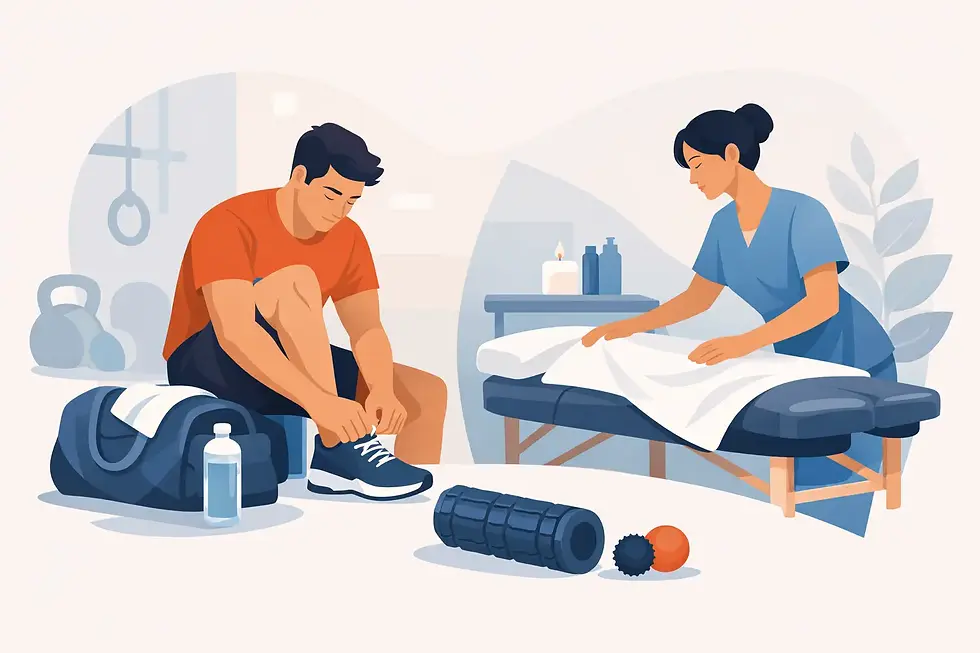
For active clients, full body massage benefits often include better recovery between workouts. Muscles that have been loaded repeatedly through running, cycling, strength training, or sports can become short, tender, and fatigued. Massage may help reduce that heavy, overworked feeling and improve how the body handles the next training session.
The timing and style matter. Deep work right after an intense workout is not always the best choice. Sometimes a more moderate, recovery-focused treatment is more useful than aggressive pressure.
5. It encourages better circulation
Massage supports circulation by stimulating soft tissue and encouraging movement through areas that feel stagnant or tight. Many people notice this as warmth in the muscles, lighter legs, or less of that dense, compressed feeling after sitting or standing for long periods.
This does not mean massage replaces exercise or medical care. It simply means hands-on treatment can help the body feel more refreshed and mobile, particularly when paired with hydration, movement, and rest.
6. It may improve flexibility and range of motion
Limited mobility is not always caused by weakness. Often, the issue is tension, guarding, or overuse. When muscles and surrounding soft tissue begin to release, joints may move more freely and with less resistance.
This is one reason massage pairs so well with private yoga or mobility work. When tissue quality improves, stretching and movement practice often become more comfortable and more effective.
7. It can reduce posture-related discomfort
Long hours at a laptop, commuting, phone use, and stress all shape posture over time. The result is familiar: tight chest, tense neck, rounded shoulders, and lower back strain. A full body treatment can help by addressing not only the area that hurts, but also the muscles contributing to that pattern.
It is worth being realistic here. Massage can ease posture-related tension, but if the daily habits remain the same, the discomfort may return. Lasting change usually comes from treatment plus better movement, ergonomic awareness, and recovery.
8. It creates a stronger mind-body connection
One overlooked benefit of massage is awareness. During a full body session, people often notice where they brace, where they hold breath, or which side feels more restricted. That awareness is useful.
When you understand your own patterns better, you can make more informed choices between sessions. You may adjust how you sit, train, stretch, or recover. This is where therapeutic massage becomes more than passive relaxation.
9. It can help ease mental fatigue
Mental exhaustion often shows up as physical dullness. You are tired, but wired. Your thoughts keep moving, yet your body feels heavy. In that state, massage can be restorative because it gives the brain a break from constant input while helping the body downshift.
For professionals with demanding schedules, this can be one of the most valuable benefits. A well-held treatment space offers something many people do not get enough of: time without performance, screens, or pressure.
10. It supports a more personalized treatment plan
A full body session also gives the practitioner better information. Instead of only treating one complaint, they can assess how different areas are responding, where tension repeats, and what pressure or techniques suit your body best.
That makes future sessions more precise. At A.K. Yoga & Massage, this kind of individualized approach matters because no two clients carry stress, strain, or recovery needs in the same way. The treatment should reflect that.
11. It simply helps you feel better in daily life
Not every benefit needs to sound clinical. Sometimes the result is straightforward: walking feels easier, your breathing feels deeper, your body feels lighter, and you are less irritable because you are no longer carrying so much tension.
That everyday improvement has real value. When your body feels more manageable, work, exercise, and rest all tend to feel more manageable too.
When a full body massage is most useful
A full body treatment makes particular sense when stress is widespread rather than localized. It can be a good choice if you are dealing with desk tension, general fatigue, workout recovery, or a sense that your whole body feels overworked. It is also useful if you are new to massage and want a broad reset before deciding whether future sessions should be more targeted.
There are times, though, when a focused treatment may be better. If you have an acute issue in one area, limited time, or a clear injury-related concern, a shorter targeted session may be the smarter option. Good care is not about doing the most. It is about choosing what fits your body right now.
Getting more from the session
The best results usually come when the massage matches your actual needs, not your idea of what you should tolerate. Stronger pressure is not always better. For some people, a slower and more moderate approach allows the nervous system to relax enough for the tissue to respond.
It also helps to think beyond the table. Hydration, rest, movement later in the day, and consistency over time all influence the outcome. One massage can help a lot, but regular sessions often create the kind of steady change people are really looking for.
If your goal is not just to relax for an hour but to feel better in your body week to week, choose massage the same way you would choose any good care - personally, thoughtfully, and with enough consistency to let the work build.