Massage for Desk Job Posture That Helps

By mid-afternoon, many desk workers know the feeling without needing to name it - shoulders creeping up, neck tightening, lower back getting heavy, and the head drifting forward toward the screen. Massage for desk job posture can help because it addresses the muscular patterns that long hours of sitting tend to reinforce, not just the momentary discomfort. When your body spends most of the day in one position, even a comfortable chair and a decent setup do not always prevent strain.
Posture problems linked to desk work are rarely about one muscle or one bad habit. More often, they come from repetition, stress, and too little movement spread across weeks or years. That is why a useful treatment approach needs to be practical. It should reduce tension, improve mobility, and make it easier for your body to return to a more natural position without forcing it.
Why desk work changes the way your body holds itself
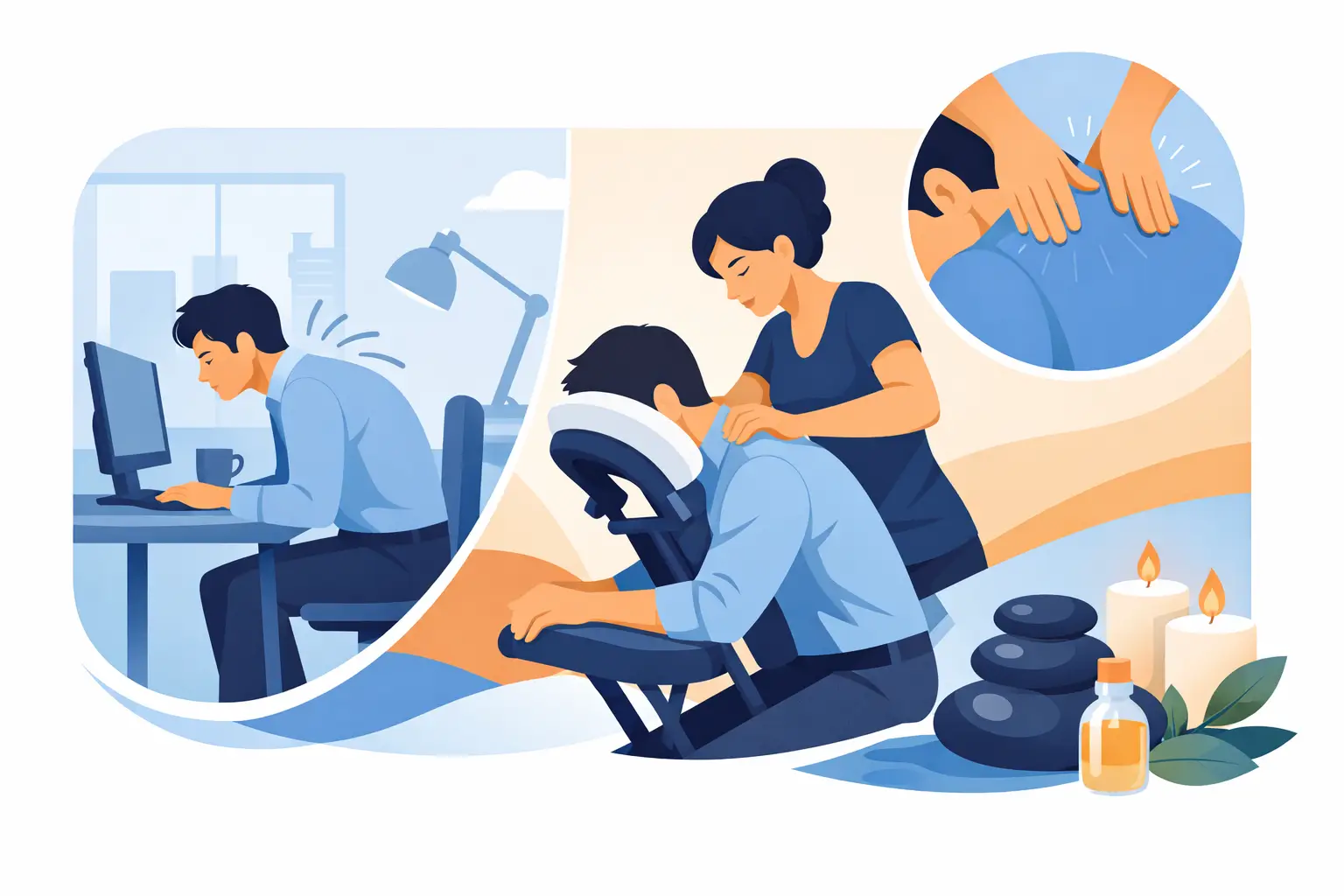
A desk job asks the body to do something unnatural for long periods: stay still while the eyes and hands remain active. The result is often a familiar pattern. The chest becomes tight, the upper trapezius overworks, the neck muscles fatigue, and the mid-back loses some of its natural movement. At the same time, the hips may stiffen from prolonged sitting, which can affect the lower back and the way you stand after work.
Stress adds another layer. People often assume posture is only mechanical, but emotional tension shows up physically. Jaw clenching, shallow breathing, raised shoulders, and a rigid upper back are common in people who spend their day under deadlines. In those cases, posture support is not only about stretching tight tissue. It is also about helping the nervous system shift out of constant guarding.
This is where massage can be more than relaxing. A targeted session can reduce unnecessary muscular holding, improve circulation in overworked areas, and restore some freedom to the joints and soft tissue that have been under strain. Better posture is often a result of feeling less compressed and more mobile, not of trying harder to sit up straight.
How massage for desk job posture works
Massage for desk job posture is most effective when it focuses on the areas that typically carry the load of prolonged sitting. For many people, that means the neck, shoulders, upper back, chest, lower back, hips, and even the forearms. If your posture issue is linked to computer use, the front of the body and the upper shoulders usually need just as much attention as the back.
A thoughtful treatment does not chase pain alone. If the neck hurts, the answer may also involve the chest, shoulder girdle, scalp, or mid-back. If the lower back feels stiff, the hips and glutes may be part of the picture. This is why individualized work matters. Two people may both say they have bad posture, but one may need deeper work to release chronic tension while another benefits more from calming pressure and mobility-focused treatment.
The immediate effect many clients notice is a sense of space. The shoulders drop more naturally. Breathing feels easier. Turning the head takes less effort. Sitting upright no longer feels like a forced correction. Those changes can be subtle, but they matter because they make better posture more available during the day.
What kind of massage helps most?
It depends on the body in front of the therapist. Swedish massage can be very effective for desk-related tension when the body is overloaded and the nervous system needs to settle. It helps improve circulation, reduce muscular fatigue, and ease the general stiffness that builds from sedentary work.
Deep tissue massage can be helpful when tension is more established, especially around the upper back, shoulders, and hips. That said, deeper is not always better. If tissue is already irritated or the body is highly stressed, aggressive pressure can make guarding worse. The best results usually come from matching the pressure and technique to your current condition, not your pain tolerance.
Focused shoulder, neck, face, and head massage can also be useful for people whose posture strain is tied to screen work, jaw tension, or stress headaches. In some cases, combining broader bodywork with targeted upper-body treatment creates the most lasting change.
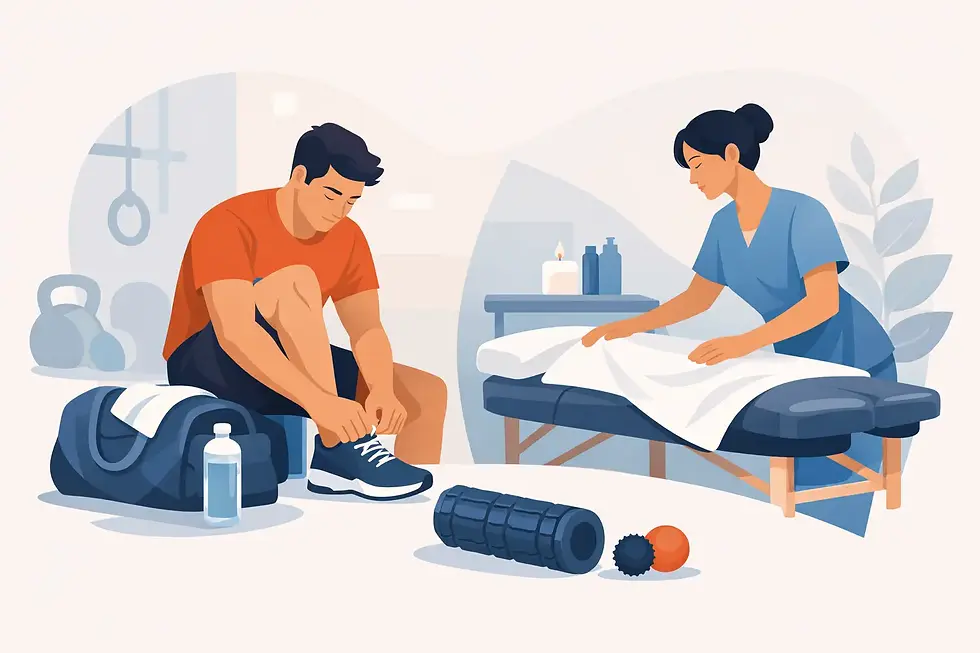
For active professionals who also train, sports massage may have a place as well. If you move between desk work and exercise, your body may be balancing both postural tension and recovery demands. Treatment can then support both alignment and performance.
What massage can and cannot do for posture
Massage can help posture, but it is not a magic correction. It will not permanently change how you sit if your body returns to the same strain pattern every day without support. What it can do is reduce the restrictions that make good posture harder to maintain.
That distinction matters. When muscles are tight, joints feel compressed, and breathing is shallow, posture advice often fails because the body cannot comfortably follow it. Massage improves the starting point. It gives your body a better chance to respond to ergonomic changes, movement breaks, and strength work.
If posture issues are linked to an injury, nerve symptoms, or persistent pain, massage should be part of a broader plan rather than the only strategy. Numbness, tingling, radiating pain, or significant weakness deserve closer evaluation. For everyday desk-related tension, though, regular bodywork can be a very practical form of maintenance.
Getting better results between sessions
A massage session can create noticeable relief, but what you do afterward influences how long that relief lasts. You do not need a complicated routine. Small, repeatable changes usually work best.
Start with movement, not perfection. Standing up every hour, rolling the shoulders, taking a short walk, or changing positions regularly can interrupt the buildup of tension. If you work from a laptop, screen height also matters. Many posture problems are simply reinforced by looking slightly downward all day.
Breathing is another overlooked part of desk posture. When breathing stays high in the chest, the neck and shoulders tend to assist too much. Slower, fuller breaths can help the upper body soften, especially after massage when the tissue is already more receptive.
This is also where one-to-one yoga or guided mobility work can fit naturally. Gentle chest opening, thoracic rotation, hip mobility, and supported breathing exercises can extend the effect of treatment without overloading the body. For many professionals, that combination is more sustainable than trying to fix posture through willpower alone.
How often should you get massage for desk job posture?
Frequency depends on how long the tension has been building, how demanding your workdays are, and whether you are doing anything between sessions to support change. If posture-related discomfort is recent and mild, occasional maintenance may be enough. If you have daily neck and shoulder tightness, recurring headaches, or persistent stiffness after years at a desk, more regular sessions often make better sense at first.
In practice, consistency matters more than intensity. A well-planned schedule of treatments tends to be more effective than waiting until pain becomes severe. The goal is not to chase flare-ups but to keep the body from settling back into the same overloaded pattern.
At A.K. Yoga & Massage, that kind of work is approached personally rather than generically. Session length, pressure, treatment focus, and even table setup can be adjusted to the individual, which is especially valuable for clients dealing with posture strain that involves more than one area. High-quality oils and a calm treatment setting support relaxation, but the treatment itself remains practical and results-oriented.
Signs you may benefit from a posture-focused massage
You do not need dramatic pain to benefit. Often the earlier signs are easier to miss: a stiff neck most evenings, shoulders that feel heavy after computer work, tension headaches, shallow breathing, or a sense that standing tall requires effort. Some people notice they are constantly stretching but never feel truly released. Others find that exercise helps, but the same areas tighten again the next day at work.
Those patterns suggest that the body is adapting to your routine in a way that may need hands-on support. Massage can help interrupt that cycle before it turns into more persistent discomfort.
If your work keeps you seated for most of the day, posture support should feel realistic, not strict. You do not need a perfect chair, perfect habits, or perfect alignment to feel better. You need enough relief, enough mobility, and enough awareness to give your body a different option than bracing through another week at the desk.
A good massage does not just leave you relaxed for an hour. It can help you recognize what ease feels like again, which is often the first step toward sitting, standing, and moving with less strain.