How Often Should You Get Massage?

Some people wait until their shoulders feel like stone before booking a massage. Others go every week and call it essential maintenance. If you have been wondering how often should you get massage, the honest answer is not one fixed number. The right rhythm depends on your stress level, pain pattern, activity, recovery needs, and how your body responds between sessions.
Massage works best when it matches your real life. A desk job, long commutes, hard training, poor sleep, or ongoing neck tension all create different demands on the body. That is why frequency should be based on your goals, not just on a general rule.
How often should you get massage for your goals?
If your main goal is relaxation, once or twice a month is often enough to create a steady reset. This can help lower built-up tension before it turns into headaches, tight shoulders, or poor sleep. For many busy professionals, that schedule feels realistic and sustainable.
If you are dealing with persistent muscular tightness, postural strain, or recurring discomfort, you may benefit from more frequent sessions at first. Weekly massage for a short period can help calm an aggravated area and create momentum. Once symptoms improve, many people shift to every two to four weeks for maintenance.
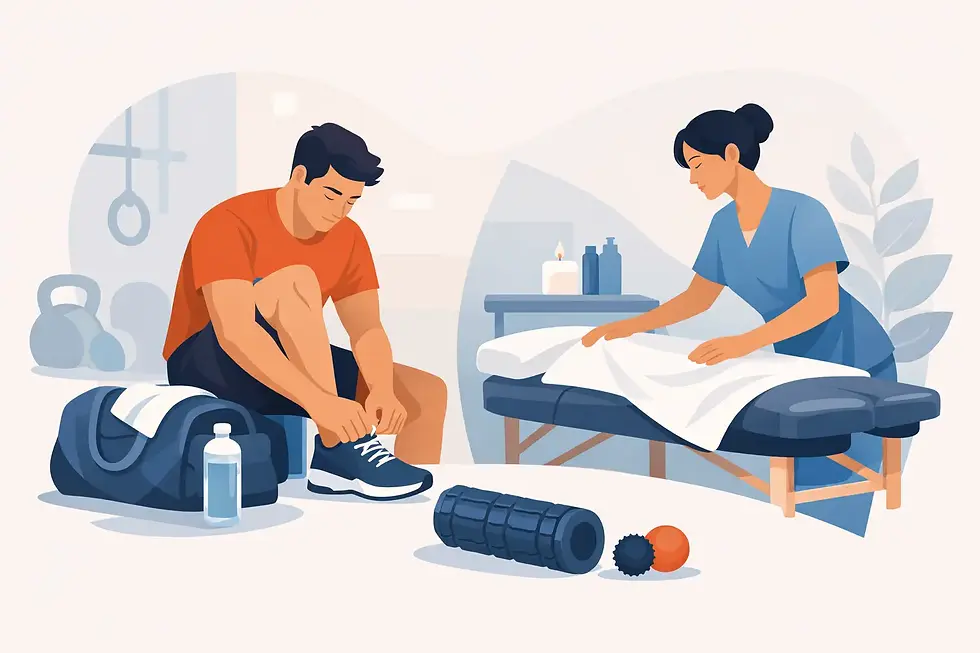
If you are active and using massage to support training, the answer depends on intensity. Someone exercising a few times a week may do well with massage every two to four weeks. A runner, cyclist, or athlete in a demanding phase may prefer weekly or biweekly bodywork, especially during heavy training blocks or after events.
If stress is showing up in your body and mind, frequency matters in a different way. In those cases, regular sessions can be more helpful than occasional long gaps followed by one emergency appointment. Massage tends to work best when it becomes part of a wider routine that supports the nervous system.
A practical schedule for different needs
There is no perfect calendar for everyone, but there are useful starting points.
For general wellness and stress relief, every three to four weeks is a solid baseline. It is often enough to ease tension, improve body awareness, and help you stay ahead of the usual buildup from work and daily life.
For moderate tension in the neck, shoulders, or lower back, every two weeks can be more effective. This gives the body enough support without waiting so long that the same tight pattern fully returns.
For acute tension, sports recovery, or a focused therapeutic goal, once a week for two to six weeks may be appropriate. This is especially common when someone has limited mobility, noticeable pain, or a clear trigger such as overtraining or repetitive strain.
For maintenance after improvement, once or twice a month is often enough. At that stage, the aim is not rescue. It is keeping the body more comfortable, mobile, and resilient.
When more massage helps - and when it does not
More frequent massage is not always better. If the body is very inflamed, highly sensitive, or not getting enough recovery time, pushing too hard can feel counterproductive. Deep tissue work, in particular, needs to match what your muscles can tolerate.
That is why good treatment is individualized. Some clients respond well to weekly deep work for a short period. Others do better with a gentler approach, longer sessions, or more time between appointments. The goal is not intensity for its own sake. The goal is useful change.
A schedule should also make sense financially and practically. A plan you can maintain for three months is often more valuable than an ambitious plan you abandon after two weeks. Consistency usually beats extremes.
How often should you get massage if you sit all day?
For office workers and people with screen-heavy routines, every two to four weeks is common. Long hours at a desk tend to create predictable tightness in the neck, shoulders, jaw, upper back, and hips. Waiting until the discomfort becomes severe usually means the body has been compensating for too long.
If you already have headaches, restricted movement, or that familiar feeling of carrying stress in your shoulders, starting with sessions every two weeks can be a smart move. Once the tension pattern starts to soften, monthly maintenance is often enough.
Massage can help, but the best results usually come when bodywork is paired with small daily changes. Better posture alone rarely fixes a stressed body, yet movement breaks, breathing, stretching, and ergonomic support can help your treatment last longer.
For athletes and active bodies
Exercise creates healthy stress, but it is still stress. Muscles adapt through recovery, not just effort. Massage can support circulation, reduce excessive tightness, and help you stay more aware of imbalances before they become injuries.
If you train recreationally, once or twice a month may be plenty. If you are preparing for a race, lifting heavily, or returning after time off, every one to two weeks can make more sense. The timing matters too. A recovery-focused massage after intense training feels very different from deep tissue work right before a major performance.
For active clients, frequency should follow the season. During heavy training, your body may ask for more support. During lighter periods, less frequent sessions may be enough.
For stress, burnout, and poor sleep
Stress does not only live in the mind. It often shows up as a clenched jaw, shallow breathing, tight shoulders, digestive discomfort, restlessness, or trouble sleeping. In those cases, massage is not just about muscles. It can help the whole system slow down.
When someone is under prolonged stress, weekly or biweekly sessions for a month or two can be very helpful. Regularity matters because the nervous system responds to repeated signals of safety and rest. One massage may feel wonderful, but a series often creates a deeper shift.
This is also where a more integrated approach can help. Massage combined with breathing practices, gentle movement, or private yoga can make the effects more lasting because it gives the body more than one way to reset.
Signs you may need massage more often
Your body usually gives clear signals. If tension returns within a few days, if headaches keep coming back, if movement feels restricted, or if stress is building faster than you can manage it, your current schedule may be too far apart.
Another sign is when you only book once you are already in pain. That often leads to a cycle of relief followed by another long period of buildup. A more regular pattern tends to be more effective and less reactive.
On the other hand, if you feel good for weeks after a session, sleep well, move comfortably, and recover well from work or exercise, you may not need frequent appointments. There is no prize for booking more than your body needs.
The role of session length
Frequency and duration work together. A shorter focused session on the neck, shoulders, or back can be useful if your issue is specific and you want regular support. A longer full-body session may be better if stress is widespread or you need more complete recovery.
This matters because some people do not need more appointments. They need the right type of appointment. A targeted sports massage, a calming relaxation session, or deeper work for chronic tension can each change how often treatment is useful.
At A.K. Yoga & Massage, this personalized approach is central. Treatment is adjusted to the person, the tension pattern, and the goal of the session rather than following a standard formula.
So, what is the best answer?
If you are looking for a simple starting point, begin with this. Book monthly for general wellness, every two weeks for ongoing tension, and weekly for a short time if you are working on a more acute issue or heavy recovery need. Then adjust based on how your body feels, not on a rigid rule.
The best massage schedule is one that helps you feel better between sessions, not only during them. It should support your work, exercise, stress level, and energy without becoming another obligation. When massage is tailored well, the question stops being how often should you get massage and becomes something more useful: what does your body need right now?