A Guide to Sports Massage Therapy
If your shoulders stay tight after desk work, your legs feel heavy after training, or one side of your neck keeps pulling no matter how much you stretch, this guide to sports massage therapy is for you. Sports massage is not only for athletes. It is a practical treatment for active people, busy professionals, and anyone dealing with muscle tension, restricted movement, or recovery that feels slower than it should.
What makes sports massage different is its purpose. The goal is not simply to help you relax, though that often happens too. The treatment is aimed at improving how your body functions by working with areas of tension, overuse, compensation, and fatigue. Depending on your needs, it can support performance, reduce soreness, improve mobility, and help calm the physical stress that builds up from both exercise and daily life.
What sports massage therapy is
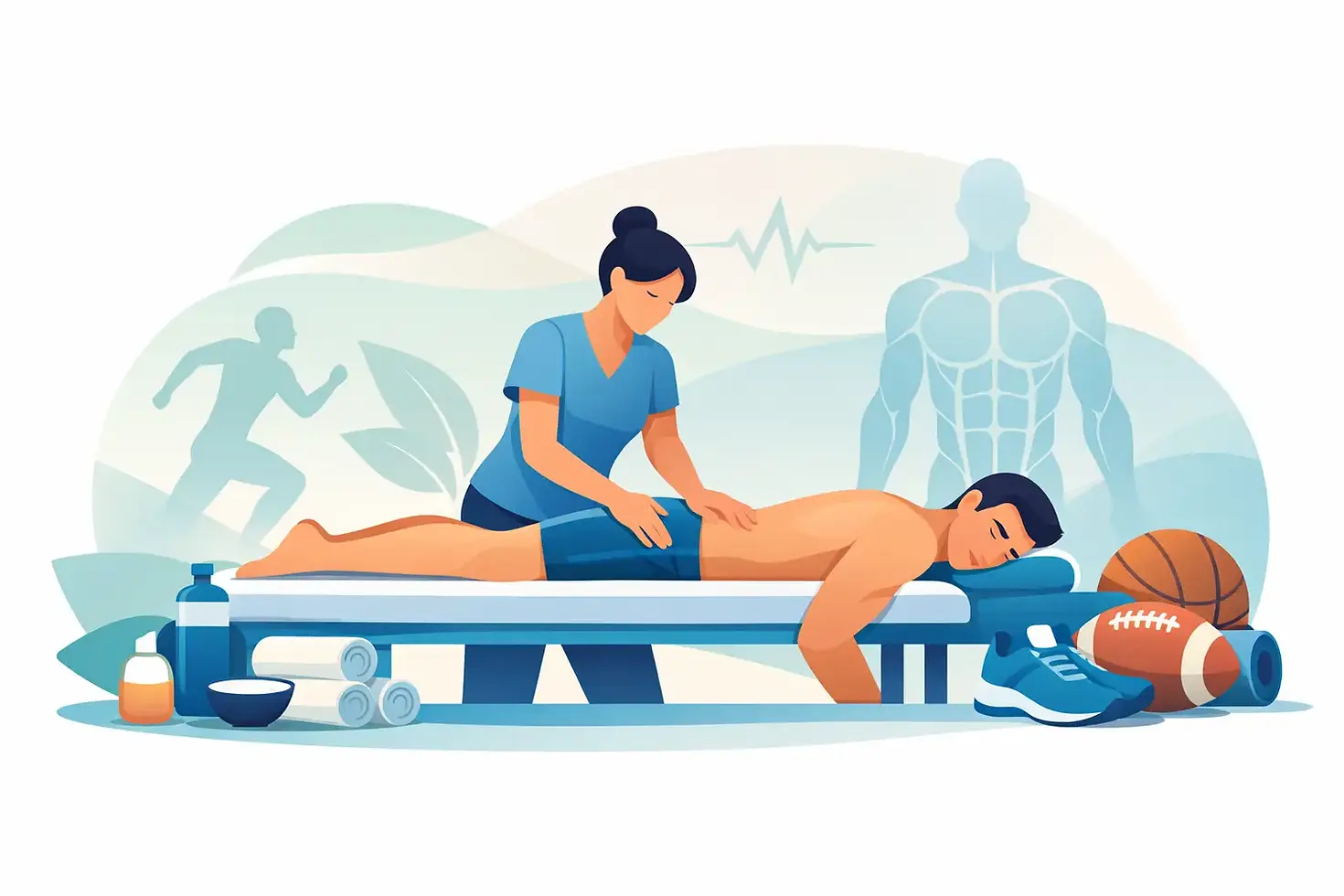
Sports massage therapy is a focused, therapeutic form of massage that works on muscles and soft tissue affected by activity, repetition, posture, and strain. The name can be misleading because you do not need to play a sport to benefit from it. If you cycle to work, lift weights a few times a week, run occasionally, sit for long hours, or carry stress in your body, the same treatment principles can apply.
A session usually targets specific muscle groups rather than treating the whole body in a general way. Your therapist may work on the calves and hamstrings for running-related tightness, the shoulders and upper back for gym strain, or the hips and lower back for posture-related discomfort. Pressure and technique are adjusted to match your body, your pain level, and your goal for that session.
This is where individualized care matters. Some clients need deeper, slower work to release long-held tension. Others respond better to moderate pressure, mobility work, and a more gradual approach. More pressure does not automatically mean a better result.
A guide to sports massage therapy benefits
The benefits of sports massage therapy depend on why you book it and what is happening in your body. For many people, the first noticeable change is that movement feels easier. Turning your head, lifting your arm, bending forward, or walking upstairs may feel less restricted after treatment.
Recovery is another common reason people choose it. After exercise, muscles can feel sore, heavy, or stiff. Sports massage may help reduce that post-training tightness and support circulation to overworked areas. It can also be helpful before an event or intense training period, although the pressure and focus should be different from a recovery session.
For clients under daily stress, the benefit is often broader than muscle relief. When the body has been holding tension for days or weeks, focused manual therapy can help shift the nervous system out of a braced, guarded state. That can mean easier breathing, less jaw clenching, better sleep, and a clearer sense of ease in the body.
Still, it helps to keep expectations realistic. Sports massage is not a quick fix for every pain pattern, and one session may not fully resolve an issue that has built up over months. In some cases, regular sessions combined with movement, stretching, strength work, or rest create the best outcome.
When sports massage helps most
Sports massage can be useful in several situations. It often helps when you feel recurring tightness in a predictable area, when training volume has increased, or when posture and stress are contributing to muscle fatigue. It can also support people returning to exercise after time off, especially if the body feels stiff and unprepared.
It is commonly chosen for tight calves, hamstrings, glutes, hip flexors, lower back tension, shoulder restriction, and neck discomfort. People who spend much of the day sitting may benefit just as much as people who train several times a week. The body does not separate "work stress" from "exercise stress" as neatly as we sometimes imagine. It responds to the total load.
Timing matters too. A massage the day before a race may feel very different from one booked three days after a hard workout. If your goal is performance readiness, the treatment is often lighter and more stimulating. If your goal is recovery, it may be slower and more targeted. If your body is already inflamed or acutely injured, a different approach may be more appropriate.
What to expect in a session
A good sports massage session starts with a short conversation. You should be asked what feels tight, what activities you do, whether anything hurts, and what you want from the treatment. That context matters because the same symptom can have different causes. Tight shoulders from stress require a different pace than shoulder tension from swimming or strength training.
During the massage, your therapist may use a combination of deep tissue techniques, compression, friction, stretching, and focused work around specific problem areas. Some areas may feel tender, especially if they have been overloaded for a while. But the work should stay within a productive range. Pain that makes you brace, hold your breath, or tense harder usually works against the goal.
You may notice that one side of your body needs more attention than the other. That is normal. Most people have patterns of imbalance from dominant-side use, old injuries, desk setup, or movement habits. A personalized treatment responds to those differences instead of applying the same routine to everyone.
Afterward, it is common to feel lighter, looser, or pleasantly tired. Some people also feel a little sore the next day, especially after deeper work. This usually settles quickly. Hydration, gentle walking, and avoiding intense exercise immediately after a strong session can help.
How much pressure is right
One of the biggest misunderstandings about sports massage is that it has to be very deep to be effective. In reality, the right pressure is the pressure your body can respond to well. Too little may not create enough change. Too much can make muscles guard and leave you feeling more irritated than relieved.
A skilled therapist adjusts throughout the session. On one day, your calves may tolerate deep work. On another, when you are stressed, tired, or already sore, a moderate approach may give a better result. Communication matters here. If something feels sharp, overwhelming, or wrong, say so.
This is especially important for first-time clients. You do not need to prove you can handle pain. The aim is therapeutic progress, not endurance.
Choosing the right session length
Session length depends on the goal and the number of areas that need attention. A shorter session can work well if you want targeted treatment on one problem area, such as the neck and shoulders or calves and hamstrings. A longer session is often better when multiple regions are connected, such as hips, lower back, and legs, or when you want both therapeutic work and enough time for the body to settle.
If you are unsure, think about whether your issue feels local or more widespread. A single tight spot may actually be part of a larger chain of tension. In practice, many clients get better results when there is enough time to address both the main complaint and the surrounding patterns.
At A.K. Yoga & Massage, this personalized approach is central. Treatment is adjusted to the individual, with careful attention to comfort, body mechanics, and the overall experience, including high-quality oils that support both muscle care and relaxation.
Sports massage and overall wellness
Sports massage works best when it is part of a broader care routine. That does not mean you need an elaborate wellness plan. Often, small consistent steps matter most - enough rest, regular movement, good hydration, and paying attention to early tension before it becomes a bigger issue.
For some clients, combining massage with private yoga, breathing work, or mobility practice makes the effects last longer. If your muscles keep tightening because of posture, stress breathing, or limited movement habits, bodywork can help create change, but supportive movement helps maintain it.
There is also the simple value of having a treatment that brings you back into contact with your body. Many people wait until pain becomes disruptive before seeking help. Sports massage offers a more proactive option. It can be a way to manage strain before it turns into a cycle of compensation and discomfort.
Is sports massage right for you?
If you want a massage that is functional, focused, and adapted to your body rather than a generic full-body routine, the answer may be yes. It suits people who want relief from muscular tension, better recovery, and a treatment plan that takes their activity level and daily stress into account.
That said, it depends on the moment. If you are looking only for soft relaxation, another style may be a better fit. If you have a fresh injury, severe swelling, fever, or unexplained pain, it is wise to pause and get proper medical guidance first. Good care includes knowing when not to push.
The best sports massage is not the toughest session. It is the one that meets your body where it is, supports what you need now, and helps you move through daily life with less resistance. When treatment is personal, clear, and well-timed, even small shifts can make the whole body feel more manageable again.