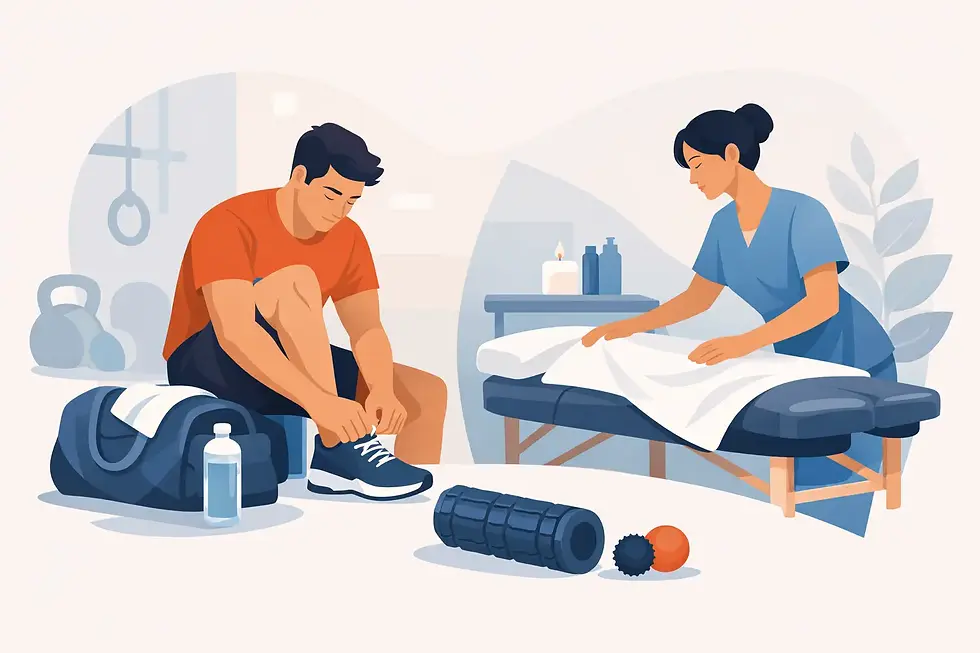
Deep Tissue Massage Recovery: What to Expect

You leave a deep tissue session feeling looser, lighter, and more aware of your body - and then a few hours later, you notice soreness setting in. That is a normal part of deep tissue massage recovery for many people. It does not mean the session went wrong. More often, it means your muscles and connective tissue have been worked in a meaningful, targeted way.
The key is knowing what is normal, what supports recovery, and when your body may need a gentler approach next time. Deep tissue massage is often chosen for stubborn tension, postural strain, athletic fatigue, and areas that never seem to fully relax. Because the work is more focused and therapeutic, recovery matters just as much as the treatment itself.
What deep tissue massage recovery usually feels like
Most people do not feel exactly the same after a deep tissue session. Some feel immediate relief. Others feel a mix of ease and tenderness. Many experience mild to moderate soreness for 24 to 48 hours, especially if the therapist worked on chronically tight areas such as the neck, shoulders, lower back, or hips.
That soreness often feels similar to post-workout muscle fatigue. You may notice sensitivity when turning your head, standing up from a chair, or going up stairs if the legs and hips were treated. At the same time, movement can start to feel easier. That combination - temporary soreness with improving mobility - is common.
It also depends on your starting point. If your body has been carrying tension for months, if you sit for long hours, or if you train intensely, your tissues may respond more strongly than someone coming in for lighter maintenance work. Pressure level, hydration, stress, sleep, and your general recovery capacity all play a part.
Why soreness can happen after deep tissue work
Deep tissue massage aims to address deeper layers of muscle and fascia with slower, more focused pressure. This can help release holding patterns, reduce stiffness, and improve circulation in restricted areas. When those tissues begin to let go, the body often needs time to adapt.
That is why deep tissue massage recovery is not only about rest. It is also about integration. Your nervous system is processing the treatment. Your muscles are responding to changes in tension. Your posture and movement may start to shift slightly as tight areas soften.
Soreness does not always mean the pressure was ideal, though. More pressure is not always better. Effective treatment should feel purposeful, not punishing. If you are left with sharp pain, bruising, or discomfort that feels excessive, that is useful feedback for future sessions. A skilled therapeutic approach should always be adjusted to your body, your goals, and how you respond.
What helps recovery after a session
The hours after your massage can make a real difference. Hydration is simple but worthwhile. You do not need extreme amounts of water, but drinking consistently through the day can support how you feel afterward.
Gentle movement usually helps more than staying completely still. A short walk, light stretching, or easy mobility work can keep the body from stiffening up. If you had work on the back, shoulders, or hips, this can be especially helpful. Think of it as encouraging circulation without asking the body to perform.
Heat can feel good if your muscles are generally tight and achy. A warm shower or bath is often enough. If an area feels more irritated than tight, some people prefer a cold pack for short periods. It depends on whether the sensation is more like deep muscular soreness or local tenderness.
Rest still matters. If possible, avoid stacking a very intense workout, poor sleep, alcohol, and a deep tissue session all into the same day. Your body recovers best when it is not being pushed from multiple angles at once.
When to work out and when to slow down
This is one of the most common questions around deep tissue massage recovery. The answer depends on the goal of your session and how your body feels afterward.
If you had a targeted session for heavy tension, pain patterns, or sports-related tightness, it is often wise to keep the rest of the day light. A gentle walk or easy yoga is usually fine. A hard strength session, long run, or intense class may be too much, especially if the treated area already feels tender.
If your massage was lighter or your body is very used to regular bodywork, you may bounce back quickly. Even then, it helps to pay attention. If movement feels freer, that is a good sign. If your body feels drained, heavy, or unusually sore, give it more time.
For active clients, timing matters. Some prefer deep tissue work on recovery days rather than right before a major training session or event. Others benefit from shorter, focused treatments between workouts. There is no single rule. The best plan matches your schedule, your training load, and how your body tends to respond.
When recovery feels longer than expected
Most post-massage soreness settles within one to two days. Occasionally, it can linger a bit longer if the area was very tight to begin with or if your body is under stress. Poor sleep, dehydration, repetitive desk posture, and emotional stress can all make recovery feel slower.
If discomfort continues beyond a few days, it is worth looking at the full picture. Was the pressure too much? Was the area already inflamed? Did you return immediately to the same habits that created the tension, such as long sitting hours or repetitive lifting? Massage can help release patterns, but if the daily load remains the same, the body may tighten again quickly.
This is where a more personalized approach matters. Sometimes the right next step is another massage. Sometimes it is spacing treatments differently, using less intensity, or combining bodywork with gentle mobility, breathwork, or posture support. For some clients, that combination creates better results than pressure alone.
Signs your body may need a different approach
Deep tissue massage is helpful, but it is not the answer for every person at every moment. If you often feel wiped out for days after treatment, dread the pressure, or notice you tense up during the session, your body may respond better to a more moderate style.
The same goes for people dealing with high stress, poor sleep, headaches, or nervous system overload. In those cases, a treatment that blends therapeutic work with calming, supportive techniques can be more effective. When the body feels safe, it often releases tension more naturally.
That is one reason individualized care matters so much. A thoughtful session can still address chronic tightness without forcing the tissue. At A.K. Yoga & Massage, that personalized balance is central to the work - treating the body with clear therapeutic intent while respecting how each client responds.
How to make each session more effective
Good recovery starts before the massage begins. Arriving overly dehydrated, stressed, or rushed can affect the experience. So can booking a deep tissue session when you are already physically depleted. If possible, eat lightly beforehand, give yourself a little time to settle, and let your therapist know what is going on in your body that week.
Clear communication helps more than many people realize. If one shoulder has been painful, if your calves are sore from running, or if your lower back flares up after travel, say so. The session can then be adapted to your actual recovery needs, not just a generic pressure preference.
Afterward, notice patterns. Did your hips feel freer the next day? Did your neck get sore for 24 hours and then improve? Did the pressure feel productive or too much? That information makes future sessions better. Recovery is part of the treatment process, not a side issue.
Deep tissue massage recovery and long-term results
One session can bring real relief, but lasting change usually comes from consistency and the right pace. If your muscles are under daily strain from commuting, desk work, training, or stress, the body often needs regular support rather than occasional intense intervention.
That does not always mean frequent deep tissue work. Sometimes alternating deeper sessions with restorative massage, stretching, or private yoga creates better long-term results. If posture, breath, and movement habits improve, the muscles often stop fighting so hard to hold everything together.
The goal is not to chase soreness or assume that stronger pressure means a better session. The goal is feeling better in your body - with less restriction, less accumulated tension, and a more reliable sense of ease in daily life.
If your next deep tissue massage leaves you a little tender, do not treat that as a setback. Treat it as information. With the right aftercare and the right level of pressure, recovery becomes part of the progress.