How to Choose Massage Type That Fits You
- Andreas kuck

- May 26
- 6 min read
You do not need to guess your way through a massage menu. If you are wondering how to choose massage type, the best place to start is not with trend names or what sounds strongest. It is with your body today - where you feel tension, how much pressure you enjoy, and whether your goal is recovery, pain relief, or deep relaxation.
Many people book the wrong treatment simply because they assume deeper always means better. In practice, the right massage is the one that matches your current condition, your sensitivity, and the result you want when you leave the table. A good session should feel purposeful, not generic.
How to choose massage type based on your goal
The clearest way to decide is to ask one simple question: what do you want this session to do for you? If your main goal is to calm your nervous system, slow down mentally, and release general tension, a relaxing massage or Swedish massage usually makes the most sense. These styles focus on circulation, gentle to moderate pressure, and full-body relaxation. They are often a strong choice if you have been under stress, sleeping poorly, or carrying low-grade tension from desk work and daily life.
If your goal is more corrective, the answer may be different. Deep tissue massage is often chosen for stubborn muscular tightness, postural strain, and areas that feel dense or restricted, especially in the shoulders, neck, and upper back. Sports massage is usually better when the issue is tied to training, repetitive movement, or recovery after exercise. It can be especially useful if you run, cycle, lift weights, or play sports regularly and want support that is more functional than purely relaxing.
There are also times when a focused treatment is the best option. If your discomfort is concentrated in one area, such as the neck and shoulders, or if you are dealing with jaw tension, headaches, or mental fatigue, a shorter targeted session can be more effective than a full-body massage. Precision matters when the problem is local rather than general.
Start with the body area that needs attention
When people ask how to choose massage type, they often describe their symptoms before anything else, and that is useful. A tight neck from laptop work is not the same as sore legs after training. A heavy, tired mind is not the same as lower back stiffness that has been building for months.
If your upper body carries most of your tension, especially around the shoulders, neck, and head, you may benefit from treatment that concentrates there instead of spreading time across the whole body. This is especially true for office workers, people under stress, and anyone who notices tension headaches or shallow breathing.
If the tension is more widespread, a full-body Swedish or relaxing massage often gives a better overall reset. It allows the nervous system to settle while also improving circulation and easing muscular holding patterns throughout the body.
If you feel restricted in specific muscles, especially from overuse or repetitive strain, deep tissue or sports massage can help address those areas more directly. That said, focused work can feel more intense, so it is best when you want therapeutic change rather than only comfort in the moment.
Pressure matters more than many people realize
One of the biggest mistakes people make is choosing a massage based only on pressure level. Strong pressure is not automatically more therapeutic. In some cases, if your body is already stressed or highly sensitive, too much intensity can make it harder to relax and receive the work.
A better question is how your body responds to pressure. Some people feel relief with slow, deep work that reaches the deeper muscle layers. Others tense up when pressure goes too far, which can limit the benefit. If you are new to massage, sensitive to touch, or already feeling depleted, starting with a gentler or moderate-pressure style is often the wiser choice.
This is where personalization matters. An experienced practitioner can adapt the pressure within the massage type itself. Deep tissue does not need to be aggressive, and relaxing massage does not need to be too light to help. The most effective session usually combines the right style with the right level of pressure for your body on that day.
Swedish, deep tissue, relaxing, or sports?
Swedish massage is a strong all-around option if you want relief without a very intense experience. It supports circulation, reduces general muscular tension, and helps many people feel both physically and mentally lighter. If you are unsure where to begin, this is often a safe starting point.
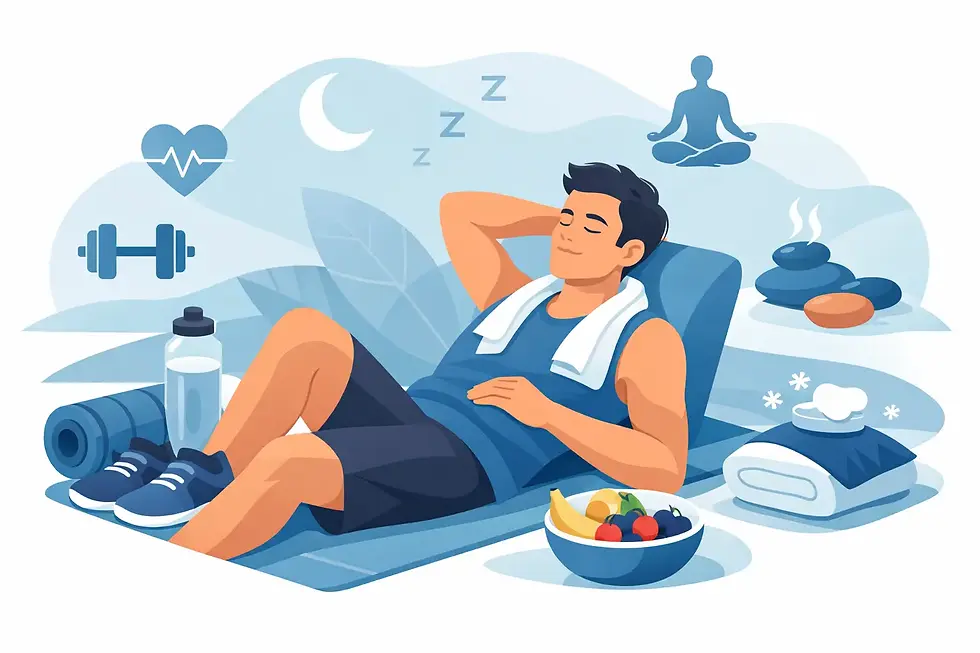
Relaxing massage is ideal when stress is the main issue. If your system feels overloaded, your sleep is off, or you simply want to settle both body and mind, this style supports a calmer state. It may still ease muscular tension, but its main strength is how it helps you come down from constant physical and mental activation.
Deep tissue massage is better suited to chronic tightness, restricted movement, and muscles that need more specific therapeutic work. It can be very effective, but it is not always the right first choice for every person or every session. If you are already exhausted, inflamed, or hesitant about firm pressure, you may get better results from a more moderate approach.
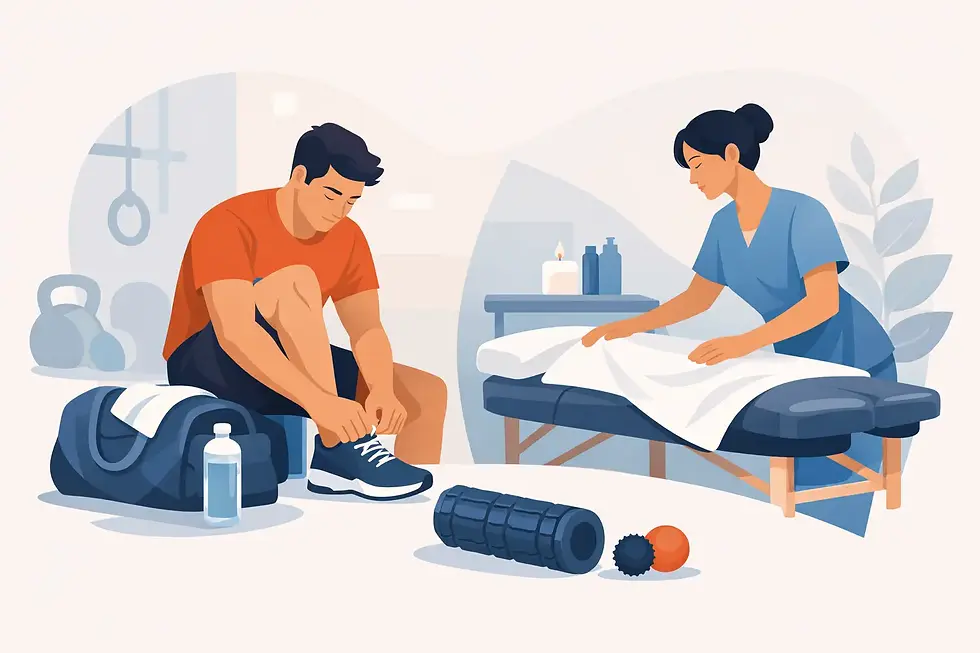
Sports massage is often best for active clients who want treatment connected to performance, recovery, or repetitive load. It is practical, targeted, and often useful before or after intense physical activity, but it can also help people whose daily routine creates predictable strain patterns.
Consider your energy level, not just your pain
Pain and tension are only part of the picture. Your overall energy level matters too. If you are physically sore but also mentally drained, a highly corrective session may not be what your nervous system needs most. Sometimes a calming massage with focused attention to a problem area gives better results than a full deep tissue treatment.
The reverse is also true. If you enjoy massage but keep booking only for relaxation while an ongoing issue in your shoulders or back continues to build, a more therapeutic session may serve you better. Relief should not only feel good for an hour. It should support better movement, easier breathing, and less recurring discomfort.
Session length can change the result
Choosing the right type of massage also includes choosing the right amount of time. Shorter sessions work well for targeted issues, especially if one or two areas need focused treatment. They are practical when your neck, shoulders, or lower back need attention and you do not want to spend time on a full-body session.
Longer sessions are often better when stress is high, tension is spread across several areas, or you want the treatment to address both physical tightness and mental fatigue. More time allows the body to settle, which often makes therapeutic work more effective.
This is one reason individualized care matters so much. At A.K. Yoga & Massage, treatments are shaped around the person rather than forced into a one-size-fits-all routine. That can include adjusting pressure, focusing on specific areas, and using supportive products such as premium certified oils to improve comfort and recovery.
If you are unsure, book for the outcome you want
You do not need to arrive knowing every massage term. If you are between options, think in plain language. Do you want to relax, recover, reduce pain, or improve mobility? Do you want full-body care or attention to one problem area? Do you want gentle support or firmer therapeutic work?
Those answers usually point to the right session faster than trying to diagnose yourself. A good practitioner can then refine the treatment based on what they find in your muscles, posture, and movement patterns.
A simple way to choose massage type with confidence
If your body feels overworked and your mind feels busy, start with relaxing or Swedish massage. If one area feels stuck, dense, or chronically tight, consider deep tissue. If your issue is linked to exercise or repetitive movement, sports massage is often the better fit. If the problem is specific, choose a targeted session rather than assuming full body is always better.
The most useful choice is not the most intense or the most popular. It is the one that meets your body where it is right now. When massage is matched to your real needs, it becomes more than a treat. It becomes reliable support for how you move, feel, and recover.