Massage Aftercare Guide for Better Recovery

You step off the massage table feeling looser, lighter, and more present in your body - and then the next few hours begin to shape how much that session really helps. A good massage aftercare guide is not about adding chores to your day. It is about giving your muscles, nervous system, and circulation the right conditions to settle, recover, and hold onto the benefits of the treatment.
For some clients, aftercare is simple. A glass of water, a calm evening, and an early night may be enough. For others, especially after deep tissue work, sports massage, or focused treatment on the neck and shoulders, the body may need a little more support. What helps most depends on the type of massage, your stress level, your activity that day, and how your body usually responds to bodywork.
Why massage aftercare matters
Massage changes more than muscle tension. It can improve circulation, encourage the body to shift out of a stressed state, and bring awareness to areas that have been tight for weeks or months. That means your system may keep responding after the session ends.
Sometimes that response feels immediately pleasant. You may notice easier movement, slower breathing, or a quieter mind. Sometimes it is subtler. You may feel sleepy, thirsty, emotionally softer, or mildly sore the next day. None of this is unusual.
Aftercare matters because it supports that transition. If you rush straight back into intense exercise, skip water, sit in poor posture for hours, or load the evening with stress, the body has less room to integrate the treatment. The massage still helps, but the results may not last as well or feel as complete.
A practical massage aftercare guide for the first 24 hours
The first day after a massage is usually the most important window. This is when the body is adjusting to reduced tension, improved circulation, and changes in tissue sensitivity.
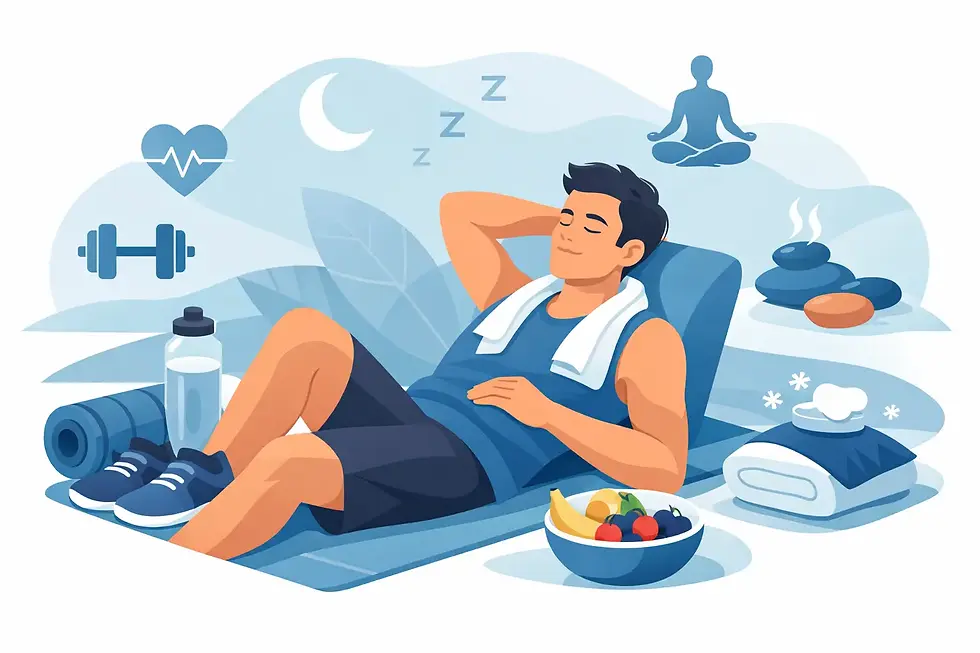
Start with hydration. You do not need to force large amounts of water, but it helps to drink steadily through the rest of the day. Massage does not require extreme hydration strategies, yet many people naturally feel thirstier afterward, and responding to that is sensible. Herbal tea or water are both fine if they suit you.
Try to keep your schedule a little lighter if possible. That does not mean you need complete bed rest. In fact, gentle movement is often helpful. A short walk, easy stretching, and normal daily activity can support circulation and keep the body from stiffening up again. What usually does not help is going from a deep tissue session straight into a hard workout or a physically demanding evening.
Food also plays a role. A balanced meal after massage can help you feel grounded, especially if you tend to feel lightheaded when deeply relaxed. There is no special post-massage menu, but eating something nourishing rather than skipping meals is a smart choice.
Rest is one of the most underrated parts of aftercare. If your body feels tired, pay attention to that. Many people sleep especially well after massage, and that recovery time is valuable. If you can give yourself a quieter evening, your body often responds well.
What to expect after different types of massage
Not every session creates the same after-effect. A gentle relaxation massage often leaves clients calm and open, with little to no soreness. The best aftercare here may simply be staying warm, avoiding overstimulation, and allowing the nervous system to stay settled.
A Swedish massage may create a mix of relaxation and refreshed movement. You may feel energized or sleepy, depending on your baseline stress and fatigue. In this case, balanced activity works well - not too much, not too little.
Deep tissue massage and sports massage are different. These treatments often address more persistent muscular holding patterns, recovery needs, or areas of restricted movement. It is common to feel tender for a day or two afterward, especially if the tissue was very tight to begin with. That tenderness should feel manageable, similar to post-exercise soreness, not alarming or sharp.
Focused work on the neck, shoulders, face, or head can also bring a distinct response. Some clients feel immediate relief. Others notice they become more aware of posture, jaw tension, or how much stress they have been carrying. This awareness is useful, but it can make old habits stand out more clearly for a day or two.
Soreness, fatigue, and other normal responses
A good massage aftercare guide should make room for nuance. Feeling sore after a massage does not automatically mean the session was too strong, and feeling no soreness does not mean it was ineffective. Bodies respond differently.
Mild soreness can happen when tight tissue has been worked more specifically. Temporary fatigue can happen when the nervous system shifts from high alert into rest. Some clients even notice an emotional release, especially after long periods of stress. This can feel surprising, but bodywork often affects more than the muscles alone.
What matters is the quality of the response. Mild tenderness, increased relaxation, thirst, easier breathing, and the desire to rest are all common. Severe pain, dizziness that does not pass, bruising beyond mild sensitivity, or symptoms that feel concerning are not something to ignore. If a response feels outside the normal range for you, it makes sense to check in with your practitioner.
What to avoid after a massage
Most aftercare advice is not about restrictions. It is about timing. The body usually benefits from a little space after treatment.
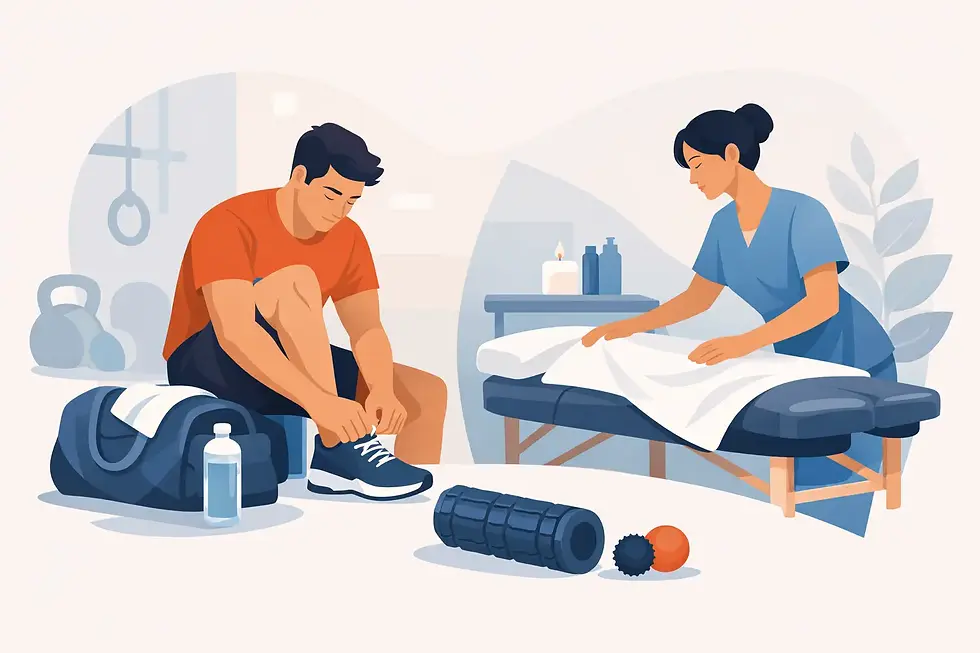
Heavy workouts immediately after massage can be counterproductive, particularly after deep tissue or sports work. If you are training consistently, it may be better to schedule bodywork after your intense session or on a recovery day rather than before maximum effort.
Try not to spend the next several hours locked in the same posture. Long periods at a desk, on a couch, or in transit can let old tension patterns settle right back in. Even standing up every so often and rolling the shoulders gently can make a difference.
It also helps to be careful with alcohol after a session. If your body is already relaxed and you are slightly dehydrated, alcohol may leave you feeling more sluggish than usual. A quiet, well-hydrated evening is usually the better choice.
Simple ways to make the results last longer
Massage works best when it is part of a bigger pattern of care. That does not mean an elaborate wellness routine. Small, consistent habits usually matter more.
Pay attention to the area that was treated. If your shoulders tend to creep upward while you work, noticing that once or twice during the day can help protect the progress made in the session. If your hips or lower back tighten from inactivity, regular walks may support better results than occasional intense stretching.
Heat can help in some cases, especially if you feel generally stiff and comforted by warmth. But if an area feels irritated or unusually sensitive after stronger work, gentler care may be better than adding more stimulation right away. This is one of those situations where it depends on your body and the intensity of the treatment.
Breathing also matters more than many people expect. When stress rises, the body often tightens again quickly. A few slow breaths, a short pause between tasks, or gentle movement before bed can help the nervous system stay regulated. For clients who combine massage with one-to-one yoga or breathing support, this often becomes one of the most effective bridges between sessions.
When aftercare should be more personalized
General advice is useful, but not everyone needs the same plan. If you are dealing with chronic neck tension, postural strain, recovery from training, headaches, or stress-related tightness, the best aftercare is usually specific to your pattern.
For example, someone with desk-related shoulder tension may benefit more from posture breaks and chest-opening movement than from complete rest. Someone recovering from a demanding run or gym session may need easier activity, extra hydration, and more sleep. Someone arriving already exhausted may simply need calm and stillness afterward.
This is where personalized treatment makes a real difference. At A.K. Yoga & Massage, aftercare is approached as part of the session rather than an afterthought. The goal is not only to help you feel better on the table, but to support how your body responds once you return to daily life.
When to book your next session
There is no universal rule here. If you came in for stress relief or general maintenance, you may prefer sessions spaced farther apart. If you are working through recurring tension, sports recovery, or a specific muscular issue, more regular appointments may help create steadier progress.
The best indicator is not just how you feel right after the massage, but how long the improvement holds. If relief fades within a day or two, your body may benefit from a more consistent rhythm before moving into maintenance. If results last well and daily habits support them, spacing can be more flexible.
A massage can do meaningful work in one session. Still, the body often responds best when good treatment is followed by good care. Give yourself water, a little movement, a little rest, and permission not to rush back into tension right away. That quiet period afterward is often where the real recovery begins.