Stress Relief Guide for Body and Mind

Some stress is easy to recognize - tight shoulders after a long workday, a clenched jaw during traffic, shallow breathing before sleep. Other stress builds more quietly. It shows up as headaches, restless nights, low patience, reduced focus, or a body that never fully lets go. This stress relief guide is designed to help you notice those signals early and respond in a way that supports both physical recovery and mental steadiness.
Stress is not only a feeling. It is also a body pattern. When your nervous system stays on alert for too long, muscles tighten, breathing gets shorter, digestion can slow, and rest becomes less effective. That is why stress relief works best when it includes the body as much as the mind. A calm thought can help, but if the neck, back, and shoulders are still bracing, the stress cycle often continues.
What a good stress relief guide should actually do
A useful guide should not promise perfect calm or suggest that one technique works for everyone. Stress is personal. For one person, the biggest issue is mental overload. For another, it is physical tension from desk work, commuting, sports recovery, or poor sleep. In many cases, it is both.
The goal is not to remove every source of pressure. The goal is to help your system recover more efficiently. That means choosing practices that lower tension, improve body awareness, and create enough space for your energy and focus to return.
Short-term relief matters. If your shoulders soften, your breath deepens, and your mind slows down even for an hour, that is not a small result. It is often the first step toward better sleep, fewer pain flare-ups, and more resilience during busy periods.
Start with your stress pattern, not a trend
Before choosing a solution, look at how stress shows up in your daily life. If your chest feels tight and your thoughts race at night, breathing work and a calmer evening routine may help most. If your lower back aches and your neck feels stiff by midafternoon, hands-on treatment and movement may give more relief than meditation alone.
This is where many people get stuck. They try one popular method, it does not fully help, and they assume stress relief does not work for them. Usually, the issue is not effort. It is mismatch. The most effective approach is based on your body, your schedule, and the kind of strain you carry most often.
Physical tension is often the doorway
For many adults, the fastest way to feel better is to reduce muscular tension directly. Stress often settles in predictable places: the shoulders, neck, jaw, upper back, hips, and scalp. When these areas remain tight, the body keeps sending signals that it is not safe to relax.
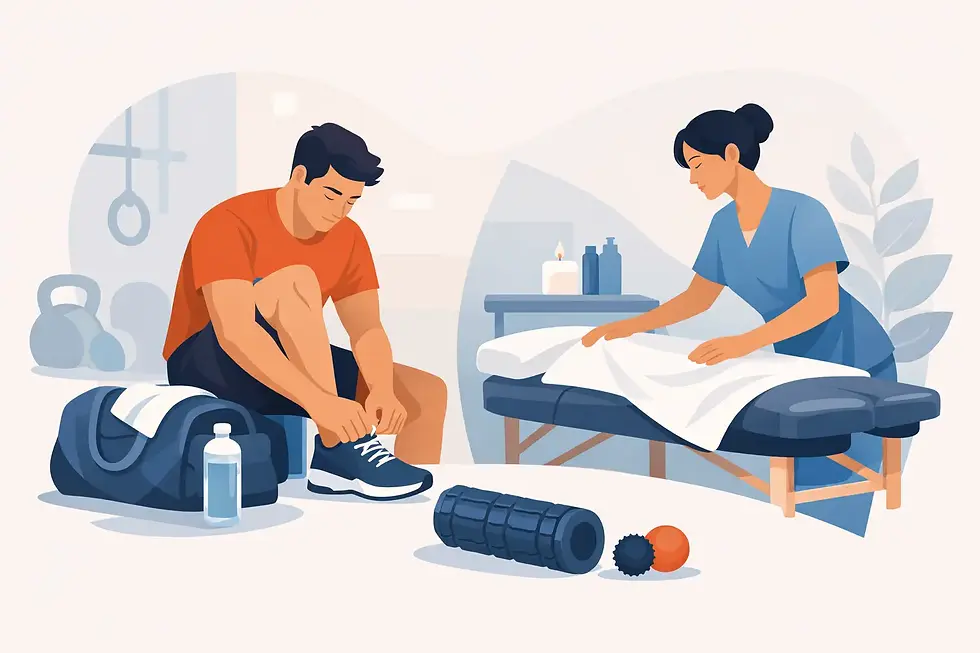
Therapeutic massage can interrupt that pattern. It helps improve circulation, soften guarded muscles, and bring attention back to areas that have been overworking for days or weeks. Some people do best with a relaxing massage focused on settling the nervous system. Others need deeper work in specific areas where stress and posture have created persistent tightness.
There is a trade-off here. Deep pressure can be effective for chronic tension, but it is not always the best choice when someone is already overstimulated or exhausted. In that state, slower and more grounding treatment may help the body release more naturally. Good care is not about intensity alone. It is about what your system can respond to well.
A stress relief guide for daily regulation
Professional support is valuable, but daily habits shape how stress accumulates between sessions. The most sustainable routines are simple enough to repeat even on busy days.
Start with breathing. Not complicated techniques, just intentional breathing that tells the body it can downshift. Try inhaling through the nose for four counts and exhaling for six. Repeat for two to five minutes. A longer exhale can help reduce the sense of internal urgency that often comes with stress.
Next, pay attention to posture and stillness. Many people think stress relief means doing more, but sometimes it begins with doing less for one minute at a time. Stand up from your desk. Roll the shoulders slowly. Unclench your hands. Relax the tongue from the roof of the mouth. These small changes matter because they stop stress from hardening into a full-body habit.
Gentle movement also helps. A few minutes of stretching, a short walk, or private yoga tailored to your level can reduce stiffness and improve breathing mechanics. The key is not performance. It is regulation. If a workout leaves you more depleted, it may not be the right stress tool for that day.
Why breath, movement, and massage work well together
Each method supports a different part of the stress response. Breath helps regulate the nervous system from the inside. Movement reduces stagnation and improves body awareness. Massage addresses the physical holding patterns that are often difficult to release on your own.
Together, they create a more complete response. Someone with desk-related tension may benefit from massage to release the neck and shoulders, breathing work to calm the mind, and simple yoga to improve mobility and posture. Someone recovering from both stress and exercise strain may need a different combination, with more focus on recovery and less on stillness.
This is why individualized care matters. A generic wellness plan can sound appealing, but stress relief is usually more effective when the treatment matches the person. Pressure, pace, body position, and even the atmosphere of a session can change the result.
When stress starts affecting sleep, mood, and recovery
At a certain point, stress stops feeling temporary. You may notice that sleep becomes lighter, your body feels sore without a clear reason, or your patience is shorter than usual. That is often the point when self-care should become more intentional.
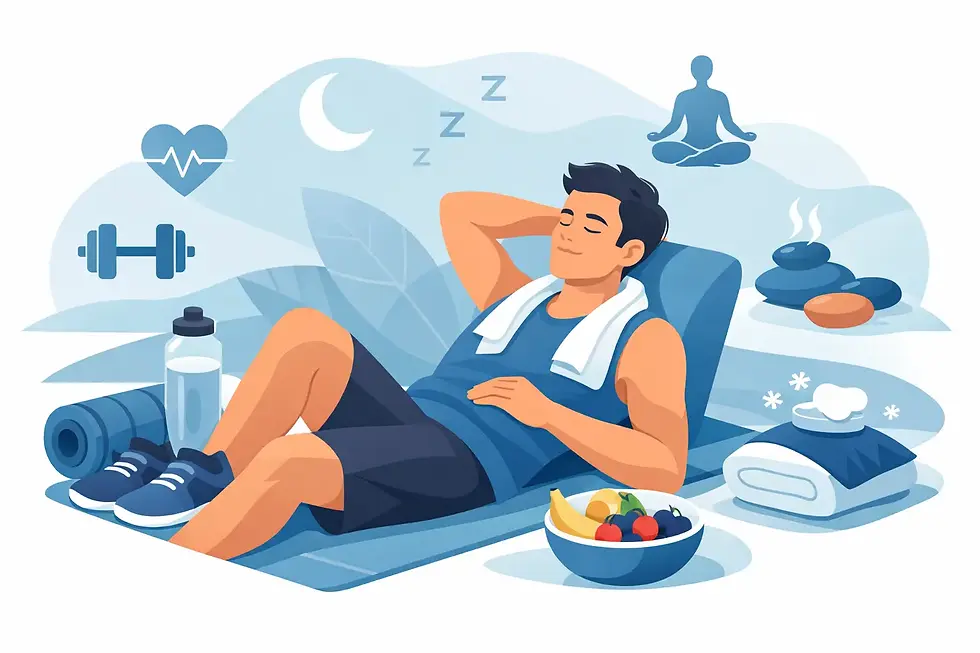
If evenings are difficult, create a clearer transition out of work mode. Reduce stimulation for the last hour before bed. Keep lighting soft. Avoid stacking chores, emails, and intense exercise too close to sleep. A short breathing practice or head, neck, and shoulder treatment can be especially helpful when the body feels tired but the mind will not settle.
If mornings feel heavy, start smaller than you think you need. A full routine is not required. One glass of water, a few deeper breaths, and three minutes of movement can be enough to reduce that carried-over tension from the night before.
Choosing the right kind of support
Not every stress relief option serves the same purpose. Meditation can improve mental steadiness, but it may feel frustrating if your body is in pain. Massage can reduce physical tension, but it may need to be paired with better daily habits if stress returns quickly. Yoga can support both strength and calm, but the right style and pace make a difference.
If your main issue is muscular tightness, bodywork may be the best starting point. If you feel disconnected from your breath and energy, one-to-one breathing or yoga support may offer more immediate awareness. If both are true, a combined approach often works best.
At A.K. Yoga & Massage, this kind of personalized support is central to the experience. Instead of a one-size-fits-all session, the work can be adjusted to your body, your stress load, and the areas that need the most attention on that day.
What consistency looks like in real life
Consistency does not mean doing everything perfectly. It means returning to a few effective practices often enough that your body begins to trust them. For some people, that is a massage every few weeks combined with short breathing breaks during the workday. For others, it is weekly yoga support and more targeted treatment during high-stress periods.
A good sign that your routine is working is not just feeling relaxed during the practice itself. It is sleeping a little better, reacting less sharply, moving with less stiffness, and recovering faster after demanding days. Those changes are quieter, but they tend to last longer.
Stress relief is not always dramatic. Often, it is the gradual return of ease. Your jaw softens. Your shoulders lower. Your breathing becomes fuller without effort. You feel more present in your body again. That is real progress, and it is worth building on.
If you are looking for a place to begin, begin with what your body has been asking for. Less pressure, more support, and care that meets you where you are can go a long way.